A gas fire can heat your home and create a cozy feeling. There are safety considerations around gas fires since they involve gas and heat. If you’re changing an existing gas fire or installing a new one, safety is even more important to avoid your family and home being put at risk. Here, we offer some safe gas fire installation advice in simple terms.
1. Choose a Professional Installer
The most important tip for safe gas fire installation is to hire a professional. Gas installation is not a DIY job. In the UK, gas work must be carried out by a Gas Safe registered engineer. These professionals are trained to handle gas safely and will ensure your fire is installed correctly. Hiring a qualified installer reduces the risk of gas leaks, carbon monoxide poisoning, and other hazards.
Tip: Check the engineer’s Gas Safe ID and confirm their registration before any work begins.
2. Plan the Installation Location Carefully
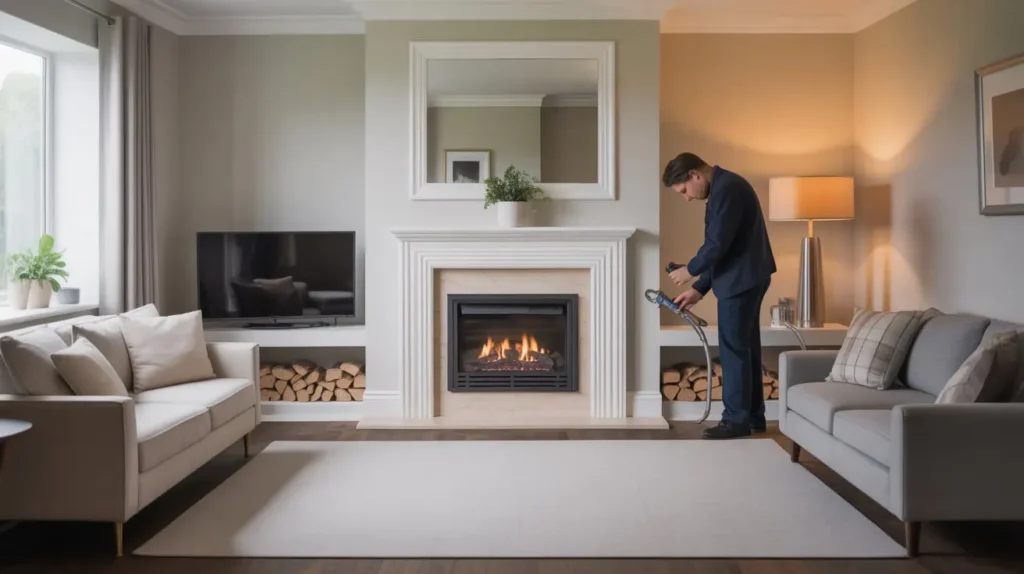
Where you place your gas fire is just as important as how it’s installed. Avoid locations near flammable materials such as curtains, furniture, or paper. Make sure the fire has enough clearance around it and that there is proper ventilation. This not only improves safety but also ensures your fire works efficiently.
3. Check Your Home’s Gas Supply
Check that your home’s gas supply can support a new fire before installation. Older homes may require piped upgrades or inspections to safely accommodate new appliances. Safe fire installation means meeting up to date gas supply standards. A professional installer should evaluate your existing gas systems.
4. Use the Correct Fire for Your Home
Gas fires include natural gas and LPG models. Select the type of gas fire based on your gas supply. Installing the incorrect model can cause dangerous gas leaks or fires that don’t work properly. Your installer will assist you in choosing the right model customized for your home.
5. Follow Manufacturer Instructions
All gas fires include instructions, and following them ensures the fire gets installed safely and operates correctly. Some of the problems the manufacturer instructions help avoid are overheating the unit, gas leaks, and the fire not working as efficiently as it could. As with any unit, the manual should be referenced for installation steps and followed thoroughly.
6. Ensure Proper Ventilation
Gas fires produce combustion gases, including carbon monoxide, which is dangerous if not vented properly. Proper ventilation ensures these gases leave your home safely. Depending on the fire type, this could mean a flue, chimney, or direct-vent system. Your installer will ensure your fire has adequate ventilation for safe operation.
7. Test for Leaks
Once the installation is complete, your installer should perform a gas leak test. This is crucial for safety. Gas leaks are not always detectable by smell, so professional testing ensures your home is safe. If you ever smell gas after installation, turn off the gas supply immediately, leave your home, and call a Gas Safe engineer.
8. Install Carbon Monoxide Alarms
Even with proper installation, it’s wise to have carbon monoxide alarms in your home. Place them near sleeping areas and on each floor. These alarms can alert you to dangerous gas build-up, giving you and your family time to evacuate safely. Carbon monoxide is a silent killer, so alarms are an essential safety measure.
9. Schedule Regular Servicing
Gas fires need regular maintenance to remain safe and efficient. An annual service by a Gas Safe engineer will check for wear, blockages, or leaks. Regular servicing also extends the life of your fire and keeps it performing at its best. Don’t wait for a problem to appear—preventative maintenance is always safer.
10. Keep Safety Equipment Nearby
Finally, always have basic safety equipment in your home. A fire extinguisher and fire blanket near the installation area can help in case of an emergency. Make sure everyone in your household knows how to use them. While gas fires are generally safe, it’s always better to be prepared.
Bonus Tip: Know Emergency Procedures
It’s important to know what to do in an emergency. If you smell gas, leave the house immediately and call the National Gas Emergency Service at 0800 111 999 in the UK. Never try to locate a leak yourself. Also, make sure children and pets are kept away from the fire during and after installation.
Why Safe Installation Matters
Following these tips for safe gas fire installation ensures your home stays warm without putting your family at risk. Gas fires are a great addition to any home, but they must be treated with respect. From choosing the right fire to hiring a qualified installer and keeping up with maintenance, every step contributes to safety and peace of mind.
If you are looking for professional help, you can find trusted services for Gas Fire Installation Stoke-On-Trent. A qualified installer will ensure the work is done safely and in compliance with UK regulations.
Conclusion
Installing a gas fire brings comfort, style, and warmth to your home, but safety must always come first. To recap, the top 10 tips for safe installation are:
- Hire a professional Gas Safe engineer.
- Plan the location carefully.
- Check your home’s gas supply.
- Use the correct fire type.
- Follow manufacturer instructions.
- Ensure proper ventilation.
- Test for gas leaks.
- Install carbon monoxide alarms.
- Schedule regular servicing.
- Keep safety equipment nearby.
By following these tips, you can enjoy the warmth of your gas fire without compromising safety. Remember, a little preparation and care go a long way in keeping your home and family safe.