Plumbing emergencies often happen suddenly and cause stress, damage, and expensive repairs. A burst pipe, blocked drain, or failing boiler can disrupt your entire day. While it’s important to know that a reliable Emergency Plumber Stoke-on-Trent is available when something goes wrong, the best solution is to prevent emergencies before they happen. Most plumbing issues develop slowly, usually starting as small signs that homeowners do not notice until it’s too late. With regular care and simple habits, you can reduce the risk of unexpected plumbing problems and keep your home safe and comfortable.
Understanding the Importance of Prevention
Many homeowners only think about their plumbing when something goes wrong. However, prevention plays a major role in avoiding sudden leaks, blockages, and breakdowns. A small amount of time spent checking your plumbing system can save you from major damage later. This includes understanding the basic parts of your home plumbing, recognising early signs of trouble, and knowing how to act quickly when you spot a potential issue.
Knowing Where Your Stop Tap Is
One of the most important steps in protecting your home is knowing where your stop tap or stopcock is located. This tap controls the main water supply. If a pipe bursts or water starts leaking suddenly, turning off the stop tap can stop the flow of water and prevent further damage. In many Stoke-on-Trent homes, the stop tap is found under the kitchen sink or in the hallway. Older homes may have it in the cellar. Test it a few times each year to make sure it turns easily. If it becomes stiff, arrange for it to be repaired because a working stop tap is essential during emergencies.
Protecting Pipes During Cold Weather
Cold temperatures in Stoke-on-Trent can cause water inside pipes to freeze. When water freezes, it expands, and this pressure can cause pipes to crack or burst. To prevent this, exposed pipes in areas like lofts, garages, and outside walls need proper insulation. Foam pipe covers are inexpensive and effective. Keeping your heating on a low setting during very cold nights also helps maintain a safe temperature inside your home. If you discover that the water stops running from your taps during winter, it could be a sign of a frozen pipe. Turning off the stop tap and seeking help immediately can stop the situation from becoming more serious.
Avoiding Drain Blockages
Blocked drains are one of the most common plumbing problems, and they often begin with everyday habits. Toilets are designed to handle only toilet paper and waste. Items like wipes, cotton pads, sanitary products, or tissues can easily block the pipes because they do not break down properly. In the kitchen, pouring oil, grease, or leftover food down the sink can create thick build-ups that block the pipes over time. These blockages usually start small and slowly get worse, eventually leading to slow drainage and unpleasant smells. Being careful about what goes into your drains is one of the easiest ways to prevent plumbing issues.
Recognising Early Signs of Slow Drains
A slow drain is more than an inconvenience; it is often a warning sign of a developing blockage. When water takes longer to go down the sink or shower, it means something is restricting the flow inside the pipe. Pouring hot water down the kitchen sink can help dissolve grease, and a gentle use of a plunger may help clear minor blockages. However, chemical drain cleaners should be avoided because they can damage pipes. If the problem continues, it’s best to get the drain inspected before the blockage becomes severe.
Checking for Leaks Around the Home
Small leaks are easy to ignore, but they can cause serious damage if left untreated. Water can damage walls, ceilings, floors, and electrical systems. It can also create mould, which can affect air quality and cause health issues. Regularly inspect areas around sinks, toilets, and taps for signs of moisture. Look for damp patches, water stains, mould, or unusual smells. Sometimes you may hear dripping or running water even when taps are off. These early signs are important to catch because dealing with a small leak is far easier than repairing major water damage.
Keeping Your Boiler in Good Condition
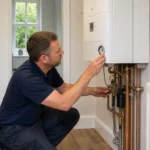
Boilers are essential in Stoke-on-Trent homes, especially in the colder months. A boiler that breaks down suddenly can leave you without heating or hot water. To prevent this, it’s important to have your boiler serviced once a year by a Gas Safe engineer. During a service, the engineer checks for leaks, tests the pressure, inspects internal parts, and ensures everything is working safely. Regular servicing keeps your boiler efficient and reduces the risk of unexpected breakdowns.
Monitoring Your Home’s Water Pressure
While strong water pressure can feel pleasant, pressure that is too high can damage pipes and appliances. High pressure puts strain on the system and can lead to leaks or even bursts. If you hear banging sounds in the pipes or notice sudden bursts of water when you open a tap, your pressure may be too high. A plumber can measure the pressure and install a valve if needed to protect your plumbing.
Maintaining Gutters and Outdoor Drains
Rain is common in Stoke-on-Trent, and blocked gutters or outdoor drains can cause water to overflow and flow into your home. This can lead to damp walls and damaged foundations. Clearing gutters regularly helps water flow away from your house safely. Outdoor drains should also be checked, especially after heavy rain, to ensure they are free of leaves, mud, or rubbish. Clean drains allow water to move freely and prevent flooding around your home.
Caring for Hot Water Cylinders and Loft Tanks
Homes that use hot water cylinders or loft tanks need to keep them in good condition. Over time, sediment can build up inside the tank, which affects water temperature and pressure. If you hear unusual noises, see changes in water colour, or notice that the hot water flow is weaker than usual, it may be time for the system to be serviced. Having the tank checked every few years reduces the risk of sudden breakdowns.
Avoiding DIY Repairs for Major Problems
It can be tempting to try fixing plumbing issues yourself, but some problems require professional knowledge and equipment. Attempting to repair burst pipes, damaged boilers, or underground drainage on your own can make the situation worse. DIY solutions for complex plumbing tasks often lead to more expensive repairs later. When in doubt, it’s safer to call a qualified plumber who can diagnose and fix the problem correctly.
Scheduling Yearly Plumbing Inspections
One of the most effective ways to prevent plumbing emergencies is to arrange a yearly inspection with a professional plumber. A trained expert can identify issues that are not obvious to homeowners, such as small leaks inside walls, early signs of corrosion, or pressure problems. Regular inspections help catch problems early, saving you money and reducing the chance of an unexpected emergency.
Using Leak Detectors and Water Alarms
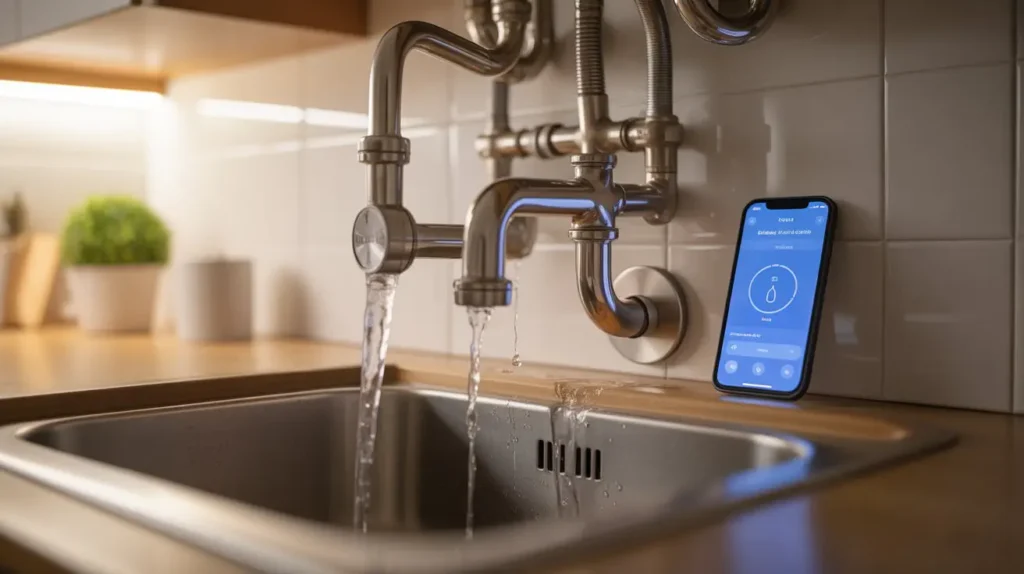
Modern leak detectors and water alarms can provide early warnings of leaks. These small devices can be placed under sinks, near washing machines, dishwashers, boilers, or in loft spaces. When they detect water, they send an alert so you can act quickly before serious damage occurs. They are especially useful if you spend long periods away from home.
Taking Care of Outdoor Plumbing
Outdoor taps and garden hoses need proper care, especially during winter. Leaving a hose connected during freezing weather can cause water inside it to freeze, which increases the risk of the tap or pipe bursting. Disconnecting hoses, using tap covers, and checking outdoor plumbing regularly can help prevent costly repairs.
Building Good Plumbing Habits
Good everyday habits play a huge role in keeping your plumbing system healthy. Running hot water through your drains weekly, keeping your bathroom clean, paying attention to strange noises, and fixing small issues early all help avoid emergencies. These simple steps may seem small, but they add up over time and can make a big difference.
Final Thoughts
Plumbing emergencies are stressful, but they are often preventable. With regular checks, simple maintenance, and awareness of early warning signs, homeowners in Stoke-on-Trent can protect their homes from unexpected plumbing disasters. Taking care of your pipes, drains, boiler, and water systems not only reduces the risk of emergencies but also helps your home run smoothly all year round. Prevention is always easier and more affordable than dealing with major damage, and a little attention now can save you from big problems later.