Winter in Stoke-on-Trent can be tough on your home, and your plumbing system often feels it first. Cold temperatures, frost, and increased water usage can lead to unexpected plumbing emergencies such as burst pipes, frozen water lines, boiler breakdowns, and blocked drains.
Knowing how to protect your plumbing — and what to do when something goes wrong — can save you stress, damage, and costly repairs. This guide shares practical tips to help Stoke-on-Trent homeowners stay prepared and respond quickly during winter.
Why Winter Plumbing Problems Are Common
Many homes in Stoke-on-Trent have older plumbing systems, which are more vulnerable to cold weather. When temperatures drop below freezing, water in pipes can expand and cause cracks or bursts. Winter also brings heavy rain, which can overload drains, and boilers work harder during colder months, increasing the risk of breakdowns.
Common winter plumbing problems include frozen or burst pipes, boiler issues, blocked drains, and leaks. Being aware of these risks helps you act early and avoid emergencies.
Preventing Frozen Pipes
Frozen pipes are one of the most frequent winter plumbing problems, but they can often be prevented. Start by insulating pipes in lofts, garages, basements, and under sinks, as these areas get cold quickly. Keeping the heating on a low setting even when the house is empty helps prevent freezing. During very cold nights, letting a tap drip slowly keeps water moving and reduces the risk of ice forming inside pipes. Outdoor taps should be turned off and drained, and any exposed pipes should be insulated.
Dealing with Frozen or Burst Pipes
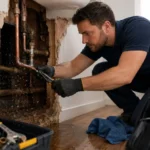
If you turn on a tap and no water comes out, it could indicate a frozen pipe. The first step is to turn off the main water supply and open the tap to relieve pressure. Gently warm the pipe with a towel, warm water, or a hairdryer — never use an open flame. If the pipe won’t thaw or you notice a crack or leak, call an emergency plumber immediately.
Burst pipes require urgent action. Turn off the water supply, switch off the boiler if necessary, and drain remaining water by opening taps. Move furniture and valuables away from the affected area. Then contact a local emergency plumber. For trusted services, check our Emergency Plumbing Stoke-on-Trent page for professional support.
Keeping Your Boiler Running
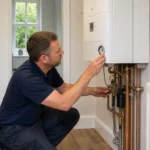
Your boiler works hardest during winter, so proper care is essential. Regular servicing helps prevent breakdowns, while bleeding radiators removes trapped air and improves heating efficiency. Boilers located in garages or cold cupboards should have insulated pipes and adequate warmth around them to function efficiently.
If the boiler stops working, check the pressure gauge, reset if safe, and inspect the thermostat. Look for error codes before calling a heating engineer. Avoid trying complex repairs yourself, as boilers can be dangerous if handled incorrectly.
Preventing Blocked Drains
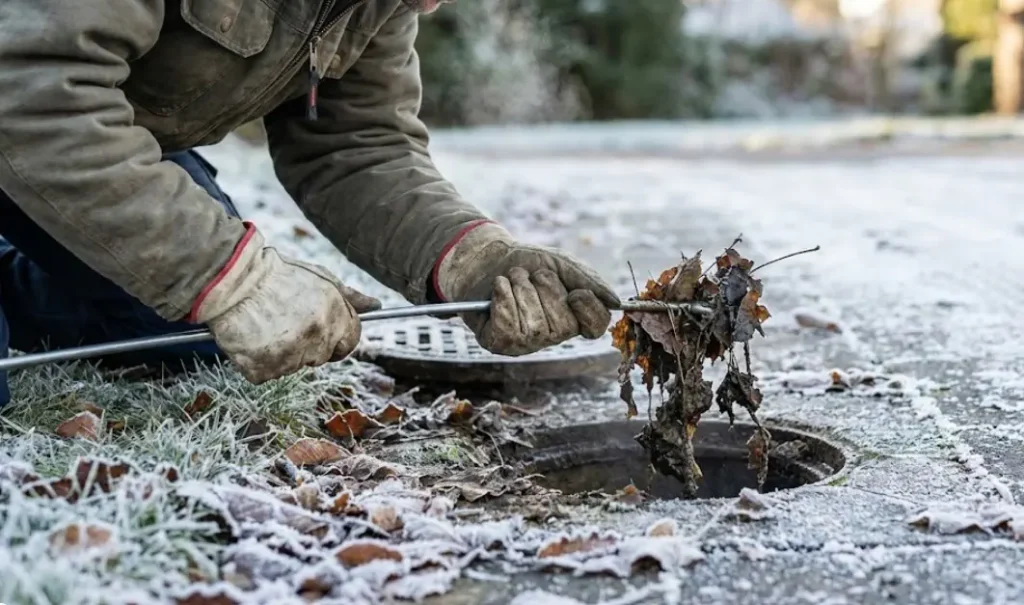
Cold weather increases the risk of blocked drains. Grease and food can harden in pipes, while outdoor drains may become clogged with leaves or debris. Avoid pouring grease down sinks, use drain covers outdoors, and flush drains with hot water periodically. Slow draining or unpleasant smells are early warning signs — acting quickly can prevent a major blockage.
Outdoor Plumbing and Winter Care
Outdoor plumbing is more exposed to frost and freezing temperatures. Protect pipes and taps with insulation, drain garden hoses, and check for leaks after frost. Small leaks can quickly turn into bigger problems if ignored.
Tips for Landlords and Tenants
Winter plumbing issues can be stressful for both landlords and tenants. Tenants should report leaks and heating issues promptly, keep heating on low if the property is unoccupied, and avoid ignoring dripping taps or low water pressure. Landlords should insulate pipes, service boilers before winter, and provide tenants with emergency contact details. Quick action helps prevent property damage and disputes.
When to Call an Emergency Plumber
Not every plumbing issue requires immediate attention, but some situations do. Call an emergency plumber if you experience burst pipes, no heating or hot water, severe leaks, overflowing toilets, or boiler failure during freezing temperatures. Delaying can lead to more damage and higher repair costs.
Why Choose a Local Stoke-on-Trent Plumber
A local plumber understands Stoke-on-Trent properties and common winter problems. They can reach your home quickly, provide solutions suited to local homes, and offer reliable service with honest pricing. Using local expertise ensures emergencies are handled safely and efficiently.
Winter Plumbing Checklist
Before winter arrives, check that all exposed pipes are insulated, your boiler has been serviced, drains and gutters are clear, and you know where your stopcock is. Keep your emergency plumber’s contact details handy. These simple steps can prevent major plumbing emergencies.
Final Thoughts
Winter plumbing problems are stressful, but being prepared makes a big difference. Stoke-on-Trent winters bring cold weather, frost, and heavy rain — all of which can damage plumbing if ignored.
By insulating pipes, maintaining your boiler, watching for warning signs, and knowing when to call an emergency plumber, you can protect your home and avoid costly repairs. If a plumbing emergency occurs, act quickly and contact a trusted local plumber who can resolve the issue safely and efficiently.