Plumbing problems can happen when we least expect them. A burst pipe, blocked drain, or leaking faucet can quickly turn into a stressful situation. Luckily, most plumbing emergencies can be avoided with simple care and regular maintenance. In this blog, we will share useful tips to prevent plumbing emergencies in Stoke-on-Trent homes. These tips are easy to follow and can save you time, money, and stress.
1. Check for Leaks Regularly
One of the most common causes of plumbing emergencies is unnoticed leaks. Even a small leak can turn into a big problem if left untreated. Check your home regularly for:
- Dripping faucets
- Leaks under sinks
- Water stains on walls or ceilings
- Running toilets
If you find a leak, it’s important to get it fixed immediately. Early action can prevent the problem from worsening and save you from needing urgent professional help.
2. Avoid Pouring Grease Down the Drain
Grease, oil, and fat are major causes of blocked pipes. When poured down the sink, these substances solidify and block your plumbing system over time. Instead:
- Pour used cooking oil into a container and dispose of it in the trash
- Use a strainer in your sink to catch food particles
- Avoid flushing coffee grounds and eggshells down the drain
Following these steps helps reduce the risk of blockages that could lead to a plumbing emergency.
3. Know Your Water Shut-Off Valve
Every homeowner should know where the main water shut-off valve is located. In case of a plumbing emergency, such as a burst pipe or major leak, turning off the main water supply immediately can prevent significant water damage.
It’s also a good idea to label the valve and make sure all family members know how to operate it. If you’re unsure, a professional plumber can help.
4. Insulate Pipes During Winter
Winter can be tough on plumbing systems. Frozen pipes are a common problem in Stoke-on-Trent homes and can lead to bursts and major water damage. To prevent frozen pipes:
- Insulate pipes in unheated areas such as basements and attics
- Keep your home heated to a minimum of 12°C (54°F) during very cold nights
- Let faucets drip slightly on extremely cold days
Taking these precautions can save you from unexpected water damage.
5. Regularly Maintain Your Drains
Clogged drains are another leading cause of plumbing emergencies. Regular maintenance keeps your plumbing system healthy. Some tips include:
- Use a drain strainer to prevent hair, soap, and food from entering pipes
- Flush drains with hot water once a week to clear minor build-ups
- Avoid chemical drain cleaners; they can damage pipes over time
If you notice persistent blockages, contact a reliable professional to inspect and clean your drains.
6. Don’t Ignore Slow Drains
Slow drains might seem minor, but they often indicate a developing problem. Hair, soap, and debris can gradually block pipes. Ignoring a slow drain may lead to a full blockage or pipe damage, resulting in an emergency.
Try these preventive measures:
- Use a plunger to clear minor clogs
- Remove hair and debris manually
- Schedule regular drain maintenance with a professional plumber
7. Monitor Water Pressure
High water pressure can strain your plumbing system and cause leaks or burst pipes. To protect your home:
- Check water pressure with a gauge (ideal pressure: 40–60 psi)
- Install a pressure regulator if necessary
- Reduce pressure gradually if it is too high
Regular monitoring can prevent sudden plumbing emergencies and keep your system functioning smoothly.
8. Test Your Water Heater
Water heaters can fail unexpectedly, leading to leaks or a complete breakdown. To avoid emergencies:
- Inspect the water heater for leaks or corrosion
- Test the pressure relief valve at least once a year
- Flush the tank to remove sediment build-up
If you notice any problems, call a trusted professional plumber for safe repairs.
9. Don’t Flush the Wrong Items
Flushing inappropriate items down the toilet is a common cause of blockages. Avoid flushing:
- Wet wipes (even if labeled flushable)
- Paper towels
- Feminine hygiene products
- Cotton balls or pads
Sticking to this rule helps prevent toilet backups and the need for urgent plumbing assistance.
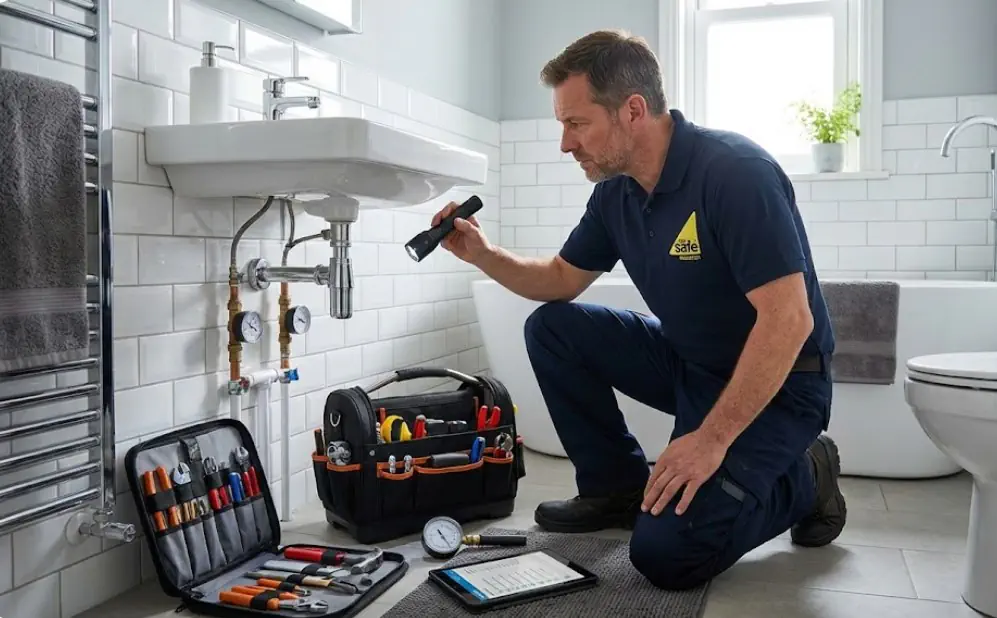
10. Schedule Annual Plumbing Inspections
Preventive maintenance is the key to avoiding plumbing emergencies. Schedule a yearly inspection with a professional plumber to:
- Check for hidden leaks
- Test water pressure and temperature
- Inspect pipe conditions and fittings
A routine inspection can catch minor issues before they turn into costly emergencies.
11. Educate Your Family
Teaching family members simple plumbing habits can go a long way in preventing emergencies. Encourage them to:
- Turn off taps properly
- Avoid pouring grease or unsuitable items down the drain
- Report any leaks or unusual noises immediately
A household aware of good plumbing practices reduces the chances of a sudden emergency.
12. Be Prepared for Unexpected Problems
Even with all precautions, emergencies can still happen. Being prepared can reduce damage and stress:
- Keep the contact details of a reliable Emergency Plumber Stoke-on-Trent service handy
- Know how to turn off the main water and gas supply
- Have basic plumbing tools like wrenches and pliers at home
Preparation ensures you can act quickly and minimize the impact of any plumbing problem.
13. Avoid DIY Repairs for Major Issues
Some plumbing issues may seem small but require professional expertise. Attempting a DIY repair on complex problems can worsen the situation. For serious leaks, pipe bursts, or blockages, always contact an experienced plumber to handle the repair safely and efficiently.
14. Keep Outdoor Plumbing Safe
Outdoor plumbing, such as garden taps and irrigation systems, also needs attention. During winter or heavy rain:
- Turn off and drain outdoor taps to prevent freezing
- Inspect garden hoses and outdoor pipes for leaks
- Clear leaves and debris from drainage systems
Proper care prevents emergencies both inside and outside your home.
15. Use High-Quality Plumbing Materials
Investing in quality plumbing fixtures and pipes can save you from frequent problems. Cheap materials may deteriorate quickly and cause leaks, bursts, or blockages. Ensure that:
- Pipes are corrosion-resistant
- Faucets and fittings are durable
- Appliances like dishwashers and washing machines are installed correctly
High-quality materials reduce the risk of needing urgent plumbing repairs in the future.
Conclusion
Preventing plumbing emergencies in Stoke-on-Trent is easier than dealing with the aftermath. Regular maintenance, proper usage, and knowing when to call a professional can save you time, money, and stress. Simple steps like checking for leaks, avoiding flushing the wrong items, insulating pipes in winter, and scheduling annual inspections can go a long way.