Plumbing problems can strike at the most inconvenient times. A dripping tap, a blocked sink, or a burst pipe can disrupt your daily life and even cause serious damage to your home. When faced with a plumbing issue, many homeowners ask themselves: should I try to fix it myself, or is it better to hire a professional plumber? While DIY can be appealing because it seems cost-effective and immediate, it is not always the safest choice. This article explores the pros and cons of DIY plumbing versus hiring a professional, helping you make a decision that keeps your home and family safe.
Understanding DIY Plumbing
DIY, or “do it yourself,” plumbing refers to tackling plumbing tasks on your own without professional training. Many people attempt simple fixes such as unclogging a drain, replacing a tap washer, or fixing a minor leak. With the abundance of online tutorials and DIY videos, it can be tempting to try your hand at plumbing, especially if you want to save money or avoid waiting for a plumber.
The main advantage of DIY plumbing is cost-saving. Hiring a professional plumber can be expensive, especially if the issue occurs outside regular working hours. Additionally, minor issues can often be resolved quickly if you know what you’re doing. A small leak or blocked drain, for instance, may not require extensive tools or experience.
However, the drawbacks of DIY plumbing are significant. One of the biggest risks is making the problem worse. A small leak can become a major flood if pipes are incorrectly repaired, and a blocked pipe may lead to long-term damage if not fully cleared. Moreover, DIY plumbing often lacks access to specialised tools that professionals use. Many plumbing jobs require specific equipment to ensure a safe and lasting repair. Attempting a repair without the right tools can be frustrating, time-consuming, and sometimes dangerous.
DIY plumbing also requires a basic understanding of your home’s plumbing system. Without this knowledge, it is easy to misdiagnose the problem. Even a seemingly simple task like replacing a tap or fitting a new pipe can lead to mistakes if done incorrectly. These mistakes may cost more to fix later than hiring a professional in the first place.
The Risks of DIY Plumbing
Attempting plumbing repairs yourself is not without risk. Plumbing mistakes can lead to water damage, which is often costly and time-consuming to repair. Water leaks can cause structural damage to floors, walls, and ceilings, and in some cases, they can even create conditions for mould growth. Mould can be harmful to your health and may require professional remediation.
In addition, plumbing involves working with tools, pipes, and sometimes electricity. DIY mistakes can result in injury, such as cuts, burns, or even electrocution if water comes into contact with electrical systems. Furthermore, certain plumbing issues, like gas-related problems or water heaters, carry a higher level of risk. Attempting these repairs without proper training can be extremely dangerous.
Even minor plumbing mistakes can have long-term effects. Incorrect pipe fittings may cause ongoing leaks that weaken the plumbing system. Poorly installed taps, toilets, or showers may result in reduced water efficiency or persistent drips, leading to higher water bills. All of these factors make it clear that DIY plumbing should be reserved for very simple tasks that do not carry significant risk.
Why Hiring a Professional Plumber Is Safer
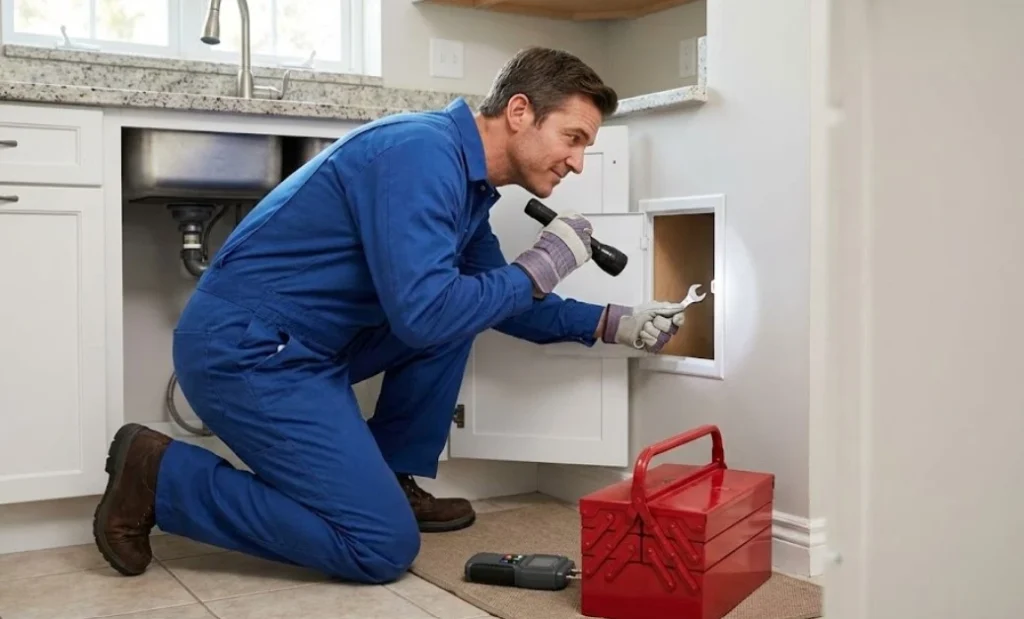
Professional plumbers are trained to handle a wide range of plumbing problems safely and efficiently. They have years of experience, proper tools, and knowledge of building codes and safety regulations. Hiring a professional ensures that the repair is done correctly the first time, reducing the likelihood of further problems or damage to your home.
A professional plumber can quickly assess the issue and identify underlying problems that may not be obvious. For example, a small leak might be a symptom of corrosion in the pipe, which could lead to a major burst if left untreated. Professionals can also provide long-term solutions rather than temporary fixes, ensuring your plumbing system remains reliable.
Another important factor is speed. When dealing with an urgent plumbing problem, such as a burst pipe or overflowing toilet, time is critical. Professionals can respond promptly and use specialised equipment to contain and repair the issue quickly. This rapid response can prevent serious damage to your property. In emergencies, it is often wise to search for an emergency plumber near me who can reach your home quickly.
Hiring a professional also comes with peace of mind. Many licensed plumbers offer warranties or guarantees on their work, which means you are protected if something goes wrong after the repair. This protection is something DIY cannot provide, and it adds a layer of security when dealing with potentially costly plumbing issues.
When DIY Plumbing Makes Sense
There are situations where DIY plumbing is practical and safe. Simple repairs, such as fixing a leaking tap, unclogging a sink, or replacing a showerhead, can often be handled by a confident homeowner. If the task is straightforward and does not involve complex pipes, gas lines, or electricity, DIY can save time and money.
DIY plumbing is also a good option for small maintenance tasks. For instance, cleaning out drains, checking for minor leaks, or insulating pipes before winter can be done safely with some basic guidance. These tasks prevent bigger problems from developing and can be satisfying for homeowners who enjoy hands-on work.
However, even in DIY situations, it is important to know your limits. If the repair becomes complicated or you are unsure of the correct method, it is best to stop and call a professional. Attempting a repair beyond your skill level can lead to costly mistakes and potential safety hazards.
When to Hire a Professional Plumber
Certain plumbing issues always require professional attention. These include:
- Burst pipes or significant leaks
- Issues with gas plumbing or water heaters
- Blocked drains that cannot be cleared with basic tools
- Plumbing problems affecting multiple areas of the home
- Plumbing related to building work or renovations
Even if a problem seems minor, if it could worsen quickly or cause damage, a professional plumber is the safer option. Professionals not only fix the immediate issue but can also identify potential risks in your plumbing system. Their expertise ensures that problems are resolved thoroughly and safely.
Cost vs Safety
One of the main reasons homeowners attempt DIY plumbing is cost. Hiring a professional can seem expensive compared to buying a few parts and tackling the job yourself. However, the cost of a mistake can be much higher than the initial expense of professional help. Water damage, mould remediation, or repeated repairs can quickly exceed the cost of hiring a qualified plumber.
When weighing cost versus safety, it is important to consider the potential long-term impact. A small leak left unchecked can lead to structural damage and higher water bills, while a burst pipe can cause catastrophic flooding. In most cases, investing in a professional plumber saves money and stress in the long run.
Conclusion
Deciding between DIY plumbing and hiring a professional plumber is ultimately about assessing risk, skill, and the nature of the problem. While DIY can be suitable for minor repairs and routine maintenance, serious issues should always be handled by trained professionals. Attempting complex plumbing without the right knowledge, tools, or experience can lead to safety hazards and costly damage.
When in doubt, it is better to be safe and call a professional. Quick and efficient repairs, proper equipment, and guaranteed work make hiring a plumber the safer choice.