Keeping your home warm and cosy is important, especially in the colder months. Gas fires and boilers are great for heating, but they need regular care and maintenance to stay safe and efficient. Ignoring them can lead to breakdowns, higher energy bills, or even dangerous situations like gas leaks or carbon monoxide exposure.
In this guide, we’ll give you practical tips to maintain your gas fire and boiler safely. These steps are easy to follow and can help your heating system work efficiently for years.
1. Schedule Regular Servicing
The most important thing for safety and efficiency is to get your gas fire and boiler serviced regularly.
- Annual check-up: Have a Gas Safe registered engineer inspect your boiler and gas fire at least once a year.
- Prevent big problems: Servicing can spot small issues before they turn into expensive repairs.
- Clean parts: Engineers clean burners, check valves, and make sure everything is working correctly.
Tip: Keep a record of all services. It helps track maintenance and is useful for insurance or home resale. If your boiler ever develops a fault, a professional boiler repair service can fix the problem safely and quickly.
2. Keep the Area Around Appliances Clear
The space around your gas fire or boiler is important for safety.
- Remove clutter: Keep furniture, curtains, and paper away from your gas fire.
- Ensure ventilation: Don’t block vents or airways; appliances need fresh air to work safely.
- Check flues: Make sure the flue (exhaust pipe) is clear from leaves, birds’ nests, or debris.
3. Know the Warning Signs
Your gas fire and boiler may show signs if something isn’t right. Look out for:
- Strange noises like banging, whistling, or gurgling.
- Flames that are yellow or orange instead of blue.
- Pilot lights that go out often.
- Unusual smells, especially a metallic or gas-like odour.
If you notice any of these signs, turn off the appliance and call a Gas Safe engineer immediately. For issues with your gas fire, a professional gas fire repair service can ensure it’s fixed safely.
4. Clean Your Gas Fire Carefully
Keeping your gas fire clean improves performance and safety.
- Turn off the gas first: Never clean a gas fire while it is on.
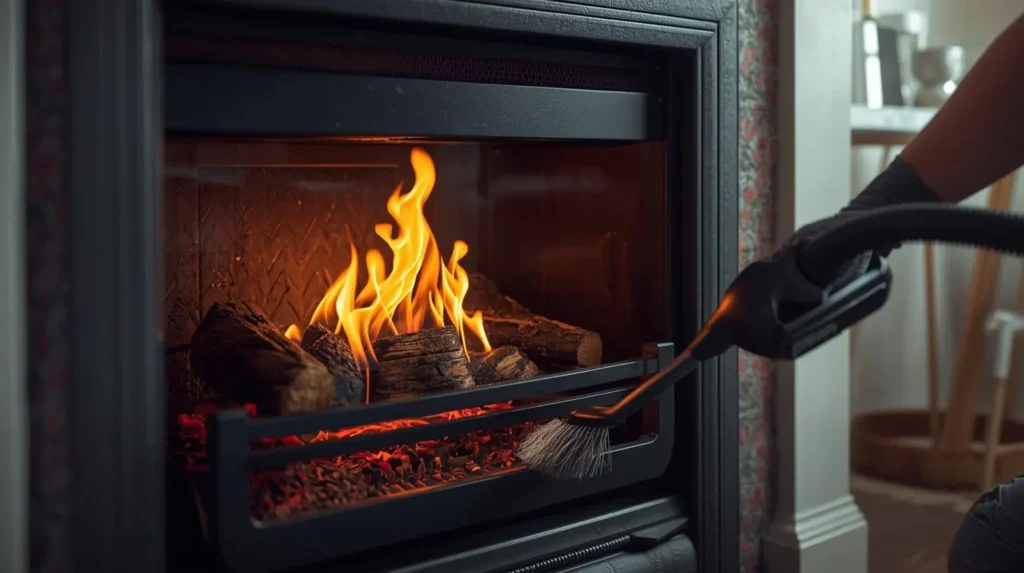
- Remove dust and soot: Use a soft brush or vacuum.
- Check logs and burners: Ensure logs are positioned correctly and there is no visible damage.
Do not use water or strong chemicals, as these can damage your gas fire.
5. Bleed Your Radiators
If your heating system uses radiators, bleeding them can help your boiler work efficiently.
- Signs you need to bleed: Cold spots on the radiator or gurgling sounds.
- How to bleed: Use a radiator key to release trapped air, then check your boiler pressure.
This helps your radiators heat evenly and reduces strain on your boiler.
6. Monitor Boiler Pressure
Boiler pressure is important for safe operation.
- Check regularly: Most boilers have a pressure gauge. Ideal pressure is usually between 1 and 2 bars (check your manual).
- Adjust if needed: Follow the instructions in your manual or call an engineer if unsure.
Low or high pressure can lead to leaks, poor heating, or system damage.
7. Install Carbon Monoxide Detectors
Gas appliances can produce carbon monoxide (CO), which is colourless, odourless, and very dangerous.
- Install detectors: Place them near your boiler and gas fire.
- Test monthly: Replace batteries regularly.
- Know the symptoms: Headaches, dizziness, or nausea can indicate CO. Leave your home immediately and call the emergency services if suspected.
8. Avoid DIY Repairs
While you can clean and bleed radiators yourself, never try major repairs.
- Gas appliances are complicated and potentially dangerous.
- Always call a Gas Safe registered engineer for repairs or replacements.
- DIY fixes can void warranties and put your family at risk.
9. Keep Appliances Ventilated
Proper ventilation is essential for safe operation.
- Check vents: Make sure air vents are free from blockage.
- Keep flues clear: Inspect flues for leaves, nests, or damage. Blockages can cause dangerous gas build-up.
10. Use Your Appliances Properly
Simple habits can extend the life of your boiler and gas fire.
- Don’t switch the boiler on and off too often: Use timers or thermostats instead.
- Avoid overloading gas fires: Don’t add oversized logs or decorations.
- Follow instructions: Always read the user manual for safe operation tips.
11. Keep Maintenance Records
Documenting maintenance is very helpful:
- Track when your boiler or gas fire was last serviced.
- Useful for warranties, insurance claims, or home sales.
- Helps engineers understand past issues.
12. Know Emergency Procedures
Even with proper maintenance, emergencies can happen. Be prepared:
- Know your gas shut-off valve location.
- Keep emergency numbers handy, including a Gas Safe engineer.
- Teach your family what to do if they smell gas or suspect carbon monoxide.
Conclusion
Maintaining your gas fire and boiler safely doesn’t have to be difficult. With regular servicing, proper cleaning, attention to warning signs, and simple everyday habits, you can keep your home safe, warm, and energy-efficient.
Always remember: safety first. Never ignore warning signs, and always use qualified professionals for inspections and repairs. By following these tips, you can enjoy reliable heating and peace of mind all year round.