Blocked drains are a common problem in UK homes and commercial properties. While a slow-draining sink or bad smell may seem minor at first, blocked drains can quickly turn into serious issues if left untreated. They can cause flooding, water damage, unpleasant odours, and even health risks.
In this detailed guide, we’ll explain what blocked drains are, what causes them, how to fix them safely, and how to prevent them in the future. Everything is written in clear, simple language so it’s easy to understand and apply.
What Are Blocked Drains?
A blocked drain occurs when something prevents water from flowing freely through your pipes. Instead of draining away as it should, water slows down, pools, or even flows back up.
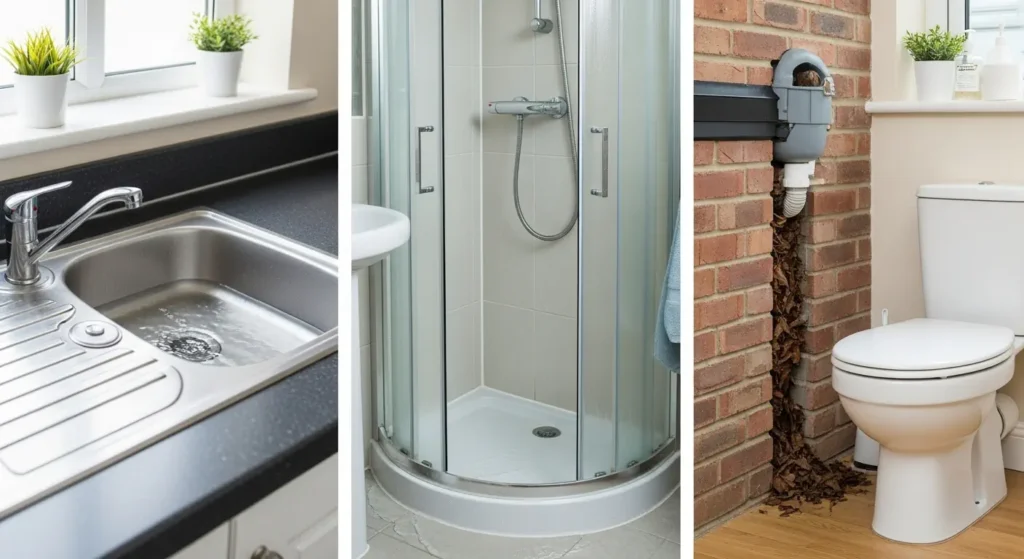
Blocked drains can affect:
- Kitchen sinks
- Bathroom sinks, showers, and baths
- Toilets
- Outdoor drains and gullies
There are two main types of drain blockages:
- Partial blockage – water drains slowly but still moves
- Complete blockage – water does not drain at all
Both types should be dealt with as soon as possible to avoid further damage.
Common Signs of a Blocked Drain
Blocked drains usually give warning signs before becoming a serious problem. Look out for the following:
- Water draining slowly from sinks, baths, or showers
- Gurgling or bubbling sounds from drains
- Bad smells coming from plugholes
- Water backing up into sinks or toilets
- Overflowing outdoor drains, especially after rain
If you notice these signs repeatedly, there may be a deeper issue in your drainage system.
What Causes Blocked Drains?
Understanding the causes of blocked drains helps you prevent them and deal with problems early.
Household Causes of Blocked Drains
Grease, fat, and oil
Pouring cooking oil or fat down the sink is one of the most common causes of blocked drains. These substances cool and harden inside pipes, trapping food waste and debris.
Food waste
Rice, pasta, coffee grounds, and food scraps can build up over time, even if you use a sink strainer.
Hair and soap residue
Hair easily collects in bathroom drains. Soap residue can stick to pipes and trap hair, creating stubborn blockages.
Wet wipes and sanitary products
Even “flushable” wipes do not break down properly. They often cause serious toilet and drain blockages.
Outdoor Causes of Blocked Drains
Leaves and garden debris
Outdoor drains can become blocked by leaves, mud, and rubbish, especially during autumn and heavy rain.
Tree root intrusion
Tree roots naturally search for water and can grow into small cracks in drain pipes, causing blockages and pipe damage.
Structural and Environmental Causes
- Old or cracked pipes
- Poor drain installation
- Collapsed drains
- Heavy rainfall and flooding
These problems often require professional inspection and repair.
How to Fix a Blocked Drain
The best way to fix a blocked drain depends on how severe the problem is.
Simple DIY Methods for Minor Blockages
For small or early blockages, you can try these safe options:
Boiling water
Pour boiling water slowly down the drain to help break down grease and soap build-up.
Baking soda and vinegar
Add baking soda to the drain, followed by vinegar. Leave it for 15–20 minutes, then flush with hot water.
Plunger
A plunger can help loosen blockages in sinks and toilets by creating pressure.
Drain snake or wire
These tools can remove hair and debris close to the surface of the drain.
⚠️ If the blockage does not clear, stop and avoid forcing it. Repeated DIY attempts can damage your pipes.
Professional Drain Clearing Solutions
When DIY methods don’t work, professionals use specialised equipment such as:
- High-pressure water jetting
- CCTV drain inspections
- Root cutting tools
- Drain relining or pipe replacement
If your drains keep blocking or multiple drains are affected, it’s time to look for a reliable plumber service near me to fix the issue properly and prevent future problems.
What NOT to Do When You Have a Blocked Drain
Some actions can make drain problems worse. Avoid the following:
- Overusing chemical drain cleaners
- Ignoring slow drains or bad smells
- Pouring grease or oil down the sink
- Flushing wipes, nappies, or hygiene products
Chemical cleaners may seem convenient, but they can damage pipes and harm the environment if used often.
How to Prevent Blocked Drains
Preventing blocked drains is easier and cheaper than fixing them. Simple habits can make a big difference.
Kitchen Drain Prevention Tips
- Never pour grease, oil, or fat down the sink
- Scrape food waste into the bin before washing dishes
- Use a sink strainer to catch food particles
- Run hot water after washing up
Bathroom Drain Prevention Tips
- Use hair catchers in showers and baths
- Clean plugholes regularly
- Avoid flushing anything other than toilet paper
Outdoor Drain Maintenance
- Clear leaves and debris from outdoor drains
- Check gullies after heavy rain
- Keep garden waste away from drain covers
Long-Term Drain Care
- Arrange regular drain inspections
- Repair small issues early
- Replace old or damaged pipes when needed
Good maintenance helps avoid costly repairs later.
Blocked Drains in Different Areas of the Home
Blocked Kitchen Drains
Usually caused by grease, food waste, and soap. Regular cleaning and careful disposal prevent most issues.
Blocked Bathroom Drains
Hair and soap build-up are the main causes. Hair traps and routine cleaning work well.
Blocked Toilet Drains
Often caused by flushing unsuitable items or too much toilet paper at once.
Blocked Outdoor Drains
Leaves, mud, and tree roots are common causes. Seasonal checks are essential.
When Should You Call a Professional?
You should contact a professional if:
- Blockages keep returning
- More than one drain is blocked
- You notice sewage smells
- Water backs up outside your property
- There is flooding or water damage
Early action can prevent serious and expensive problems.
How Much Does It Cost to Fix a Blocked Drain?
The cost of fixing a blocked drain depends on:
- Location of the blockage
- Severity of the problem
- Equipment required
- Emergency or standard call-out
DIY methods cost very little, but repeated failures can lead to higher repair bills. Professional services may cost more initially but provide long-lasting solutions.
Why Professional Drain Services Are Worth It
Professional drainage specialists offer:
- Fast and reliable service
- Correct diagnosis of the problem
- Long-term solutions, not quick fixes
- Peace of mind and safety
They don’t just clear the blockage—they find out why it happened.
Frequently Asked Questions
What is the most common cause of blocked drains in the UK?
Grease, hair, and wet wipes are the most common causes.
Can I unblock a drain myself?
Yes, minor blockages can often be fixed with simple DIY methods.
Are chemical drain cleaners safe?
Occasional use is fine, but frequent use can damage pipes.
How long does it take to clear a blocked drain?
Minor blockages may take minutes, while severe ones may take longer.
How can I stop drains from blocking again?
Good habits, regular cleaning, and inspections help prevent issues.
Final Thoughts
Blocked drains are a common but preventable problem. By understanding the causes, fixing issues early, and following simple prevention tips, you can keep your drainage system working properly.
If problems persist, professional help is the safest and most effective solution. Taking action early protects your property, saves money, and avoids unnecessary stress.