Getting a new gas cooker installed is a big step, especially if you’re upgrading your kitchen or replacing an old appliance. While it may sound like a complicated process, the truth is much simpler. When handled by a qualified professional, gas cooker installation is safe, quick, and stress-free.
Still, many homeowners feel unsure about what actually happens on installation day. If you’re one of them, this guide will walk you through everything in a clear and easy way so you know exactly what to expect.
Why You Should Never Install a Gas Cooker Yourself
Gas devices differ from standard electrical devices in that they require proper impact management, the right connections, periodic safe checkups/inspections, and other corrective measures for severe safety concerns. Even the smallest oversight can result in hazardous gas leaks and detrimental consequences for purposes of safety.
A certified gas technician understands the proper impact management pertaining to safety when he is installing your cooker. Gas technicians abide by very restrictive safety regulations/controllers concerning the safety of themselves and the public, and this includes the appropriate tools and installations. This provides confidence for safety and the proper functioning of your cooker.
How to Prepare Before Installation Day
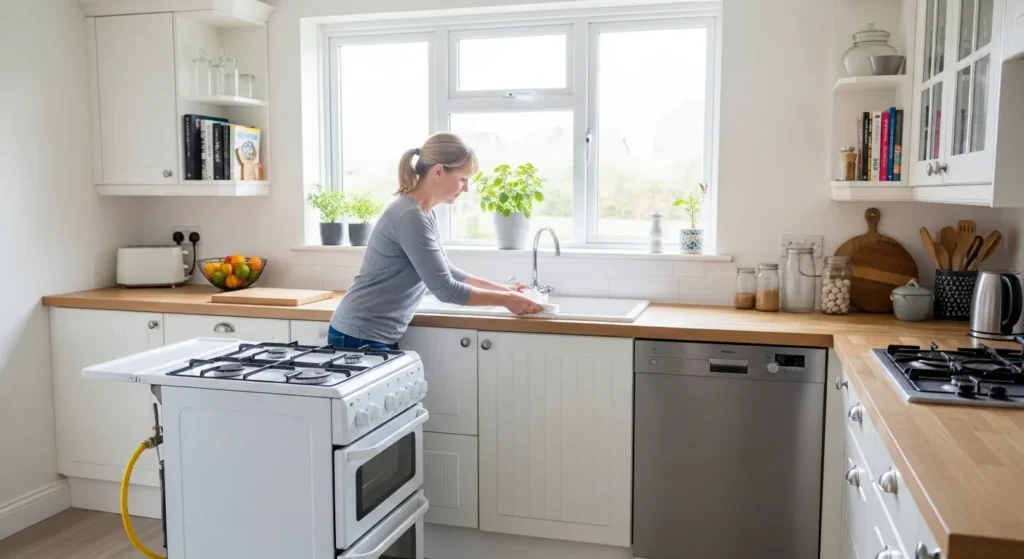
A little preparation can make a big difference. Before the engineer arrives, it helps to make sure everything is ready so the job can be completed without delays.
Start by clearing the space where the cooker will be installed. Remove any items nearby and make sure there’s enough room for the engineer to work comfortably. If you’re replacing an old cooker, it’s helpful to ensure it’s accessible and not blocked by cabinets or furniture.
Also, double-check that your new cooker is suitable for your kitchen and gas supply. If you’re unsure, most installers can confirm this in advance.
What Happens When the Engineer Arrives
When the engineer arrives, they won’t jump straight into installation. The first step is always a safety check.
They will inspect your gas connection, pipework, and ventilation to make sure everything is safe and suitable. This is an important part of the process because it helps prevent problems later on.
If anything doesn’t meet safety standards, the engineer will explain the issue clearly before moving forward.
Removing Your Old Gas Cooker
If you already have a gas cooker installed, it will need to be safely disconnected. This step is handled carefully to avoid any risk.
The engineer will turn off the gas supply, disconnect the appliance, and check that there are no leaks. Once removed, the old cooker can either be taken away or left with you, depending on your arrangement.
Preparing for the New Installation
Prior to the installation of your new cooker, the engineer will prepare the site and the relevant connections so that the installation of your cooker can occur safely as well as properly.
During this step the engineer may test the gas pressure and do a close inspection of the connection point and the fittings to see that they are all working properly. Any minor issues discovered will likely be addressed at this step.
Installing the Gas Cooker
Now comes the main part of the process — installing your new gas cooker.
The engineer will carefully connect the cooker to the gas supply using approved fittings. Everything is tightened and secured properly to prevent leaks. After that, the cooker is positioned neatly in place, making sure there is enough space around it for safe use.
This part doesn’t usually take long, but it must be done with precision.
Safety Checks and Testing
Once the cooker is installed, the engineer carries out a full set of safety checks. This is one of the most important parts of the entire process.
They will test the gas connection to ensure there are no leaks and confirm that the pressure is correct. Each burner is then turned on to check that the flame is steady and working properly.
Here’s what is typically tested during this stage:
- Gas tightness and leak detection
- Burner performance and flame quality
- Ignition system and controls
These checks make sure your cooker is completely safe to use.
Ventilation and Safety Advice
Gas cookers need proper airflow to operate safely. During installation, the engineer will check your kitchen’s ventilation and make sure it meets the required standards.
If needed, they may recommend simple improvements like keeping vents clear or using an extractor fan regularly. You might also be advised to install a carbon monoxide alarm, which adds an extra layer of safety for your home.
Learning How to Use Your New Cooker
Before finishing the job, the engineer will usually show you how your cooker works. This is a helpful step, especially if your new appliance has features you’re not familiar with.
They may explain how to control the burners, use the oven, and follow basic safety practices. It’s a good idea to ask questions at this point so you feel confident using your cooker.
How Long Does Installation Take?
In most cases, gas cooker installation is completed within one to two hours. However, the exact time can vary depending on your setup.
If everything is straightforward, the process is quick. But if there are issues like old pipework or adjustments needed, it may take a bit longer. A professional engineer will always prioritize safety over speed.
Common Issues That Can Cause Delays
Although most installations go smoothly, there are situations where delays can happen. These are usually related to safety concerns or compatibility issues.
Some common problems include:
- Worn or damaged gas pipes
- Incorrect cooker type for your setup
- Poor ventilation in the kitchen
If any of these come up, the engineer will explain what needs to be done before completing the installation.
What Happens After Installation
Once everything is installed and tested, the engineer will confirm that your cooker is safe to use. In some cases, you may receive a safety record or documentation for your records.
This is especially useful if you’re a landlord or planning to sell your property in the future.
Simple Safety Tips for Everyday Use
After installation, keeping your cooker safe is easy if you follow a few basic habits. Always turn off the burners after cooking and keep the area around the cooker clean and clear.
If you ever notice a strange gas smell, don’t ignore it. Leave the area immediately and contact a professional. Regular servicing is also a good idea to keep your cooker working efficiently over time.
Final Thoughts
Unlike most gas installations, gas cooker installation is less complicated, and takes less time. Although there is little you can do to make the installation process less time consuming, you can certainly make the process less complicated by choosing to work with qualified professionals. On the day of the installation, all safety concerns with the gas cooker are checked, and further tests are conducted to verify that proper safety measures are employed to ensure that the cooker is operating safely and correctly. It is the most important decision you will make. Since safety is of the utmost importance, the installation of your gas cooker must be done by professionals. For safe and reliable gas installations, tell us, BrightBurn Solutions – Boiler & Gas Services. Whether you need to hire a competent gas installation engineer or book a gas engineer, we’re the right people to ensure safety and reliability on your installation projects.