When your boiler suddenly stops working, it can quickly make life uncomfortable, especially during cold weather. No heating or hot water often creates panic, but the good thing is that many boiler issues are simple at the start. If you stay calm and follow the right steps, you can often understand the problem before calling an engineer.
This guide explains what you should do when your heating stops working in Stoke-on-Trent, what might be causing it, and when you need emergency help.
Why boilers suddenly stop working
Since boilers operate on a regular basis, wearing and tearing is to be expected. Small problems can sometimes escalate and lead to boiler breakdowns. However, in many situations, such breakdowns are caused by minor faults that do not require any special maintenance procedure, but they do result in improper operation.
Examples of causes of boiler malfunction include low water pressure, freezing of the pipes in the winter season, malfunctions of thermostats, presence of air in the system, and various electricity-related problems.
Knowledge of causes will help you remain calm and prevent excessive panic.
First things to check at home
Before calling anyone, it is always worth checking a few basic things. Many heating problems are simple and can be solved without tools or technical knowledge.
- Check if the boiler is switched on and receiving power
- Look at the pressure gauge to see if it is too low
- Make sure the thermostat is set correctly
- See if other electrical items in the home are working
If everything looks normal but there is still no heating, the issue is likely inside the boiler system itself.
Understanding boiler error signs
Modern boilers usually show warning lights or error codes when something is wrong. These codes are designed to help identify the fault quickly.
If you see an error code, note it down. It will help the engineer understand the issue faster when they arrive. Some boilers may also shut down completely without warning lights, which usually means a deeper electrical or internal fault.
Even if you do not understand the code, do not ignore it. It is an important clue.
Cold weather problems in Stoke-on-Trent
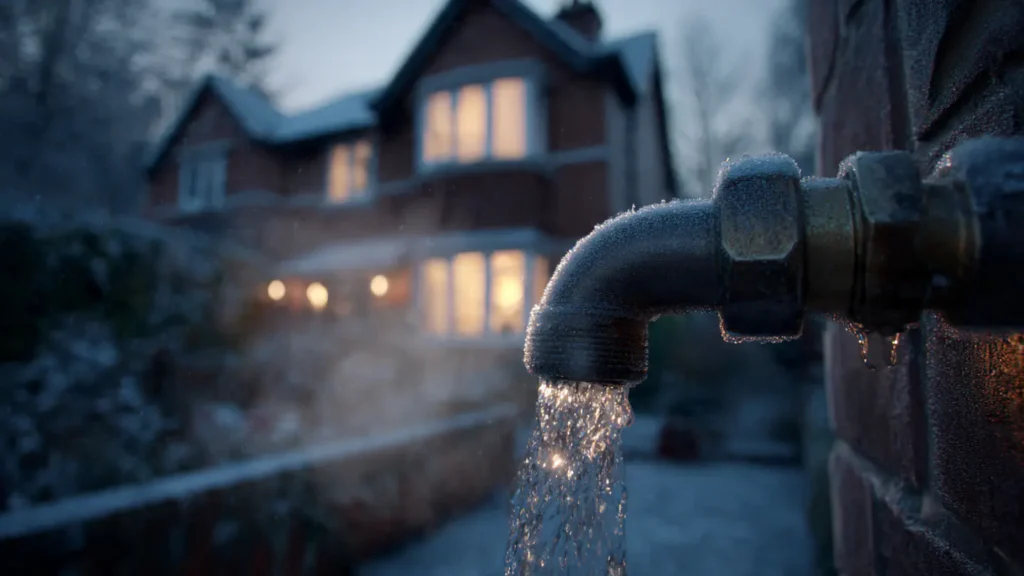
During winter, one of the most common issues is frozen pipes. When temperatures drop, the condensate pipe can freeze, causing the boiler to stop working.
You may notice strange noises, slow heating response, or sudden shutdowns. If this happens, gently warming the pipe with warm water (not boiling) can sometimes help restore flow. Avoid using direct heat or open flames as this can damage the pipe.
Cold weather is one of the biggest reasons for emergency boiler repair calls in Stoke-on-Trent.
When you should call an emergency engineer
If basic checks do not solve the problem, it is time to contact a professional. Trying to fix complex issues yourself can make things worse and may even be unsafe.
You should call an engineer if the boiler keeps shutting down, there is no heating or hot water at all, you notice leaking water, or you smell gas. In any gas-related emergency, leave the property immediately and contact the gas emergency line.
Quick action is important because small faults can turn into bigger repairs if ignored.
Why fast repair matters
When your heating stops working, waiting too long can make the situation worse. A broken boiler in cold weather can quickly affect your comfort and safety.
Fast repair helps prevent further damage inside the system, reduces repair costs, and restores heating before the problem spreads. This is why many homeowners in Stoke-on-Trent prefer emergency call-out services instead of waiting days.
A reliable engineer can often fix the issue on the same visit.
Choosing the right boiler repair service
Not all repair services offer the same level of quality. When your heating fails, you need someone experienced and trustworthy.
Look for engineers who are Gas Safe registered, have local experience in Stoke-on-Trent, and offer clear pricing. Good communication is also important, as a professional should explain the issue in simple terms and give honest repair options.
A dependable residential boiler repair service such as BrightBurn Solutions – Boiler & Gas Services can handle both emergency breakdowns and long-term heating problems, giving you complete peace of mind.
Simple ways to avoid future breakdowns
While emergencies can still happen, regular care can reduce the chances of sudden failure. Many boiler problems start small and can be avoided with basic maintenance.
Keep an eye on pressure levels, bleed radiators when needed, and book annual servicing. It is also important to act quickly if you notice early warning signs like strange noises or uneven heating.
A well-maintained boiler lasts longer and runs more efficiently, which saves money in the long run.
Final thoughts
Malfunctions like a broken boiler can be stressful, but you can at least predict the sequence of problems. You can breathe and don’t have to give it a lot of thought. Just give it a routine check.
If it still doesn’t work, it’s best to hire an Emergency Engineer in Stoke-on-Trent. Not only will you restore your heating, it will prevent any further issues to you and your boiler.
You have to do your part to make sure your home returns to normal. We’ll take care of the rest.