A boiler is one of the most important appliances in any home, especially during the cold winter months. It provides hot water and keeps your home warm and comfortable. However, like all heating systems, boilers can develop faults over time. Some problems are minor and easy to fix, while others need a professional touch.
In this article, we’ll look at the most common boiler problems, their causes, and safe ways to fix them. Whether you’re dealing with low pressure, no heating, or strange noises, this guide will help you understand what’s going on and what you can do about it.
1. No Heating or Hot Water
This is one of the most common boiler issues and can be caused by several things, such as:
- Faulty motorised valves
- Broken thermostats
- Low water levels
- Issues with the pilot light or ignition
How to Fix It Safely
Start by checking your thermostat settings. Make sure it’s set correctly and that the timer is working. You can also check your boiler’s pressure gauge — if the pressure is too low (below 1 bar), that may be the cause.
If the boiler still doesn’t heat up, it could be an issue with internal components, such as a pump failure or a faulty valve. In that case, it’s best to contact a qualified heating engineer rather than trying to fix it yourself. Booking a regular boiler maintenance service can help detect these faults early.
2. Low Boiler Pressure
If your radiators aren’t heating up properly or your hot water supply feels weak, low pressure might be to blame. You can confirm this by looking at the pressure gauge on the front of your boiler. A healthy boiler should read between 1 and 2 bars when cold.
How to Fix It Safely
Most modern boilers have a filling loop that allows you to add water to the system. Open the valves slowly until the gauge reaches around 1.5 bars, then close them tightly. Always check your manufacturer’s instructions before doing this.
If you need to re-pressurise your boiler frequently, it could be a sign of a leak in the system. Look around for damp spots near radiators or pipes. If you find one, call a professional to fix it.
3. Boiler Leaking Water
A leaking boiler should never be ignored. Leaks can cause water damage, reduce efficiency, and even lead to electrical faults.
Common causes include:
- Corroded pipes or seals
- High pressure
- Loose joints or fittings
How to Fix It Safely
Turn off the boiler and isolate the water supply immediately. Do not try to tighten or replace any parts yourself, especially if the leak is internal. Contact a Gas Safe registered engineer to inspect and repair the system.
4. Strange Noises from the Boiler
Boilers can make a variety of noises — banging, gurgling, or whistling — and each sound can mean something different. This problem is often known as “kettling”, which happens when limescale or sludge builds up inside the heat exchanger, causing the water to overheat and boil.
How to Fix It Safely
First, bleed your radiators to remove trapped air. If that doesn’t help, you might need a system flush to clear out any debris or limescale. Always use a qualified engineer for this task. They can also fit a magnetic filter to help prevent future buildup.
5. Pilot Light Keeps Going Out
Older boilers use a small pilot light that must stay lit to ignite the main burner. If it keeps going out, there may be a problem with the thermocouple, gas supply, or draughts blowing it out.
How to Fix It Safely
First, make sure there are no gas supply issues in your home (check other gas appliances). Then, follow your boiler’s manual to relight the pilot light safely. If it continues to go out, the thermocouple may need replacing — this is a job for a professional.
Never try to dismantle the gas supply components yourself.
6. Frozen Condensate Pipe
In winter, a very common boiler problem is a frozen condensate pipe. This pipe carries waste water from your boiler to an external drain, and when the temperature drops below freezing, it can become blocked with ice. The boiler will usually display an error code or stop working completely.
How to Fix It Safely
You can thaw the pipe safely by pouring warm (not boiling) water over it. Alternatively, use a hot water bottle or a warm cloth to gently defrost the pipe. Once it’s clear, reset your boiler.
To prevent this from happening again, you can insulate the pipe with foam lagging or move it to a more sheltered area.
7. Radiators Not Heating Up
If some of your radiators are hot while others stay cold, it’s likely that air is trapped in the system or sludge has built up inside.
How to Fix It Safely
Start by bleeding your radiators using a radiator key. Turn off your heating, then open the bleed valve slowly until you hear a hissing sound. Once water starts to appear, close the valve. This should restore even heating throughout your home.
If this doesn’t solve the issue, your system might need a power flush to remove sludge. Contact a heating engineer for this service.
8. Thermostat Problems
Sometimes, your boiler problems might not come from the boiler at all but from the thermostat. If your heating doesn’t turn on at the right time, or the temperature feels wrong, the thermostat could be malfunctioning.
How to Fix It Safely
Check that your thermostat has working batteries and that the settings are correct. Make sure it’s not placed near heat sources or in direct sunlight, as that can affect its accuracy.
If it’s an older thermostat, consider upgrading to a modern programmable or smart thermostat, which offers better control and energy savings.
9. Boiler Keeps Turning Off
If your boiler keeps switching off unexpectedly, it could be due to:
- Low water pressure
- Thermostat faults
- Blocked condensate pipe
- Pump issues
- Air in the system
How to Fix It Safely
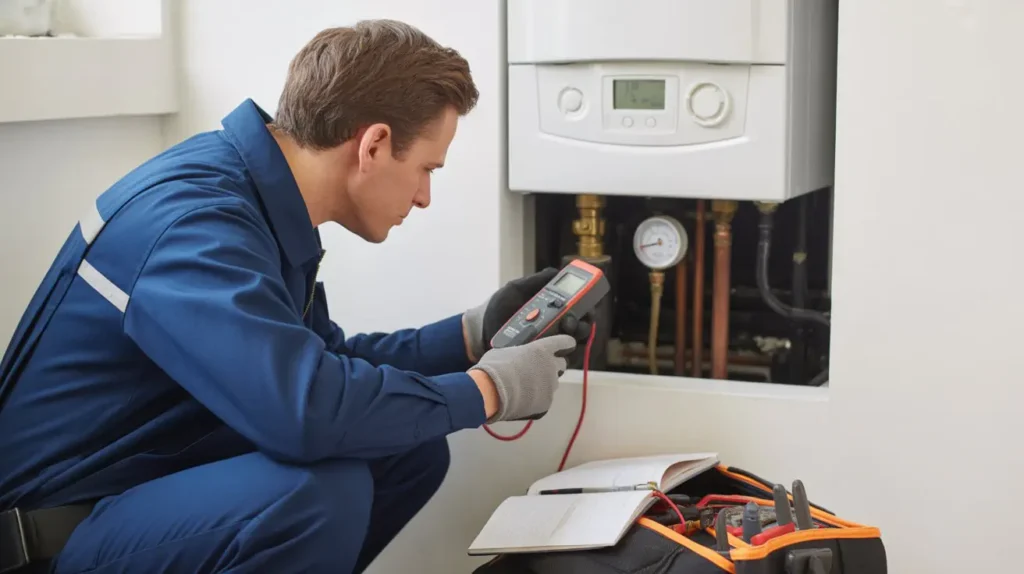
Check the pressure gauge and top it up if needed. If the pressure is fine, inspect the thermostat settings and reset the boiler. If it still keeps turning off, call an engineer — there may be an underlying mechanical or electrical issue.
10. Boiler Losing Pressure Constantly
If you’re topping up your boiler pressure every few days, there’s likely a leak or a problem with the pressure relief valve.
How to Fix It Safely
First, check visible pipework and radiators for leaks. If you can’t find any, the problem might be internal, such as a faulty expansion vessel. This is not something to fix yourself — always get a professional inspection.
When to Call a Professional
While some boiler issues can be fixed safely at home, others are best left to qualified heating engineers. You should never attempt to open the boiler casing, fix gas components, or tamper with electrical wiring. These jobs require specialist tools and certification.
If you live locally and need expert help, it’s worth contacting a trusted service that specialises in Boiler Repair Stoke-On-Trent. A certified engineer can diagnose problems quickly and make sure your heating system runs efficiently and safely.
How to Prevent Future Boiler Problems
Prevention is always better than cure. Here are a few simple tips to keep your boiler in good working order:
- Book annual servicing – A yearly boiler service keeps your system efficient and helps spot issues early.
- Bleed radiators regularly – This keeps your heating balanced and prevents trapped air.
- Check pressure monthly – Make sure your boiler pressure stays between 1 and 2 bars.
- Insulate external pipes – This prevents freezing during winter.
- Keep vents and flues clear – Proper ventilation helps your boiler run safely.
- Use your heating occasionally in summer – This stops parts from seizing up when not in use.
Final Thoughts
Boilers are reliable systems when maintained properly, but even the best ones can develop faults over time. Understanding common boiler problems — from low pressure to leaking pipes helps you respond quickly and safely.
Always take care when working around your boiler, and if you’re unsure, call a professional. Regular servicing and early attention to small issues will keep your home warm, your water hot, and your boiler running efficiently all year round.