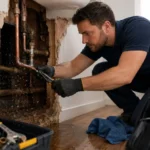
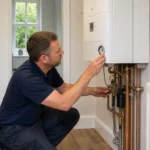
Plumbing emergencies never happen at a good time. A pipe can burst late at night, a toilet can overflow early in the morning, or you may suddenly lose hot water during winter. In these stressful moments, one of the first questions people ask is: how fast does an emergency plumber arrive? Knowing what to expect can help you stay calm and make the right decision quickly.
This guide explains emergency plumber response times, what affects their arrival, and what you should do while waiting. Everything is written in simple UK English so it is easy to understand and practical for everyday homeowners.
What Is an Emergency Plumber?
An emergency plumber is a professional who deals with urgent plumbing problems that cannot wait until normal working hours. These plumbers are usually available 24 hours a day, including nights, weekends, and bank holidays. Their job is to stop damage, make your home safe, and fix serious plumbing issues as quickly as possible.
Emergency plumbing problems often include burst pipes, severe leaks, blocked drains causing flooding, overflowing toilets, gas leaks, or complete loss of water. These situations can damage your home and create health or safety risks if not handled quickly.
How Fast Does an Emergency Plumber Usually Arrive?
In most cases, an emergency plumber arrives within 30 to 90 minutes after your call. Many local plumbing companies aim for an average response time of around one hour. However, this is not guaranteed and can change depending on several factors.
If you live in or near a town or city, response times are usually faster. Rural areas may take slightly longer due to distance. Some plumbing companies clearly state their response time on their website, while others will give you an estimate when you call.
The most important thing to remember is that emergency plumbers prioritise calls based on urgency. A serious flooding issue will usually be handled faster than a slow leak.
Factors That Affect Emergency Plumber Arrival Time
Several things can affect how quickly a plumber can reach your home. Understanding these factors helps set realistic expectations.
The time of day plays a big role. Calls during the night, early morning, or busy weekends may take longer because fewer plumbers are available. Bad weather such as heavy rain, snow, or icy roads can also slow travel times.
Your location matters as well. A plumber who is already working nearby can reach you much faster than one travelling from another area. Traffic conditions can also affect arrival, especially during peak hours.
The type of problem you are facing is another key factor. Severe emergencies that risk flooding or structural damage are often treated as top priority. Less dangerous issues may have a slightly longer wait time.
What Happens When You Call an Emergency Plumber?
When you call an emergency plumber, the first step is explaining your problem clearly. The plumber or dispatcher will ask a few simple questions to understand how serious the situation is. They may ask where the leak is, whether water is still running, or if there is any risk to safety.
Based on your answers, they will decide how urgent the call is and give you an estimated arrival time. Some plumbers may also give you basic advice over the phone to reduce damage while you wait.
Once the plumber is on the way, they usually arrive with tools and common spare parts so they can fix most problems straight away. In some cases, a temporary repair is done first to make the area safe, followed by a full repair later.
What You Should Do While Waiting for the Plumber
Waiting for an emergency plumber can feel stressful, but there are simple steps you can take to reduce damage.
If there is a leak or burst pipe, turn off the main water supply as soon as possible. This can stop further flooding and protect your home. If the issue involves hot water or a boiler, turning off the heating system may also help.
Try to clear the area around the problem so the plumber can work easily when they arrive. Move furniture, towels, or personal items away from water if it is safe to do so.
Avoid trying complex repairs yourself. While small actions like turning off the water are helpful, attempting major fixes without experience can make the problem worse or unsafe.
Is a Faster Emergency Plumber Always Better?
Fast arrival is important, but quality matters just as much. A reliable emergency plumber should not only arrive quickly but also diagnose the issue correctly and provide a lasting solution.
Some companies promise extremely fast response times but may charge very high fees or rush the job. A good emergency plumber will be honest about costs, explain the problem in simple terms, and focus on safety and long-term repair.
It is always a good idea to choose a local, trusted service with clear communication and experience. For example, homeowners looking for an Emergency Plumber Stoke-on-Trent often prefer local professionals who know the area well and can respond quickly.
How Much Does Response Time Affect the Cost?
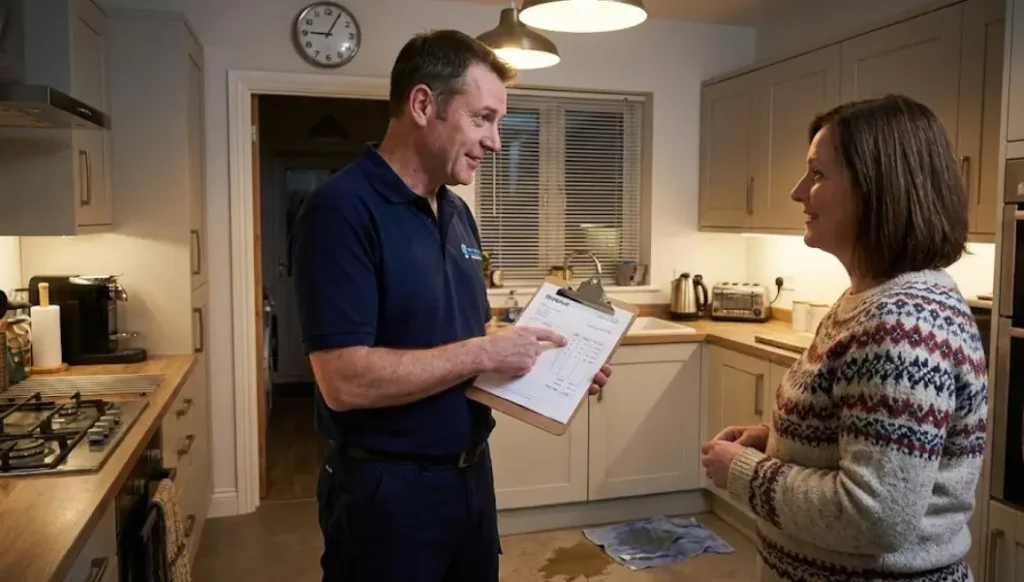
Emergency plumbing usually costs more than regular plumbing because it involves urgent call-outs and work outside normal hours. Faster response times can sometimes mean higher fees, especially late at night or on holidays.
However, waiting too long can also be expensive. Water damage spreads quickly and can lead to costly repairs to walls, floors, and electrical systems. In many cases, calling an emergency plumber early actually saves money by preventing further damage.
When you speak to the plumber, ask about call-out fees and hourly rates so you know what to expect. A professional plumber will be clear and upfront about pricing.
What to Expect When the Plumber Arrives
When the plumber arrives, they will first assess the situation to understand the cause of the problem. This usually involves checking pipes, fittings, and water pressure. They may ask you a few questions about when the issue started and what you have already done.
Once the problem is identified, the plumber will explain what needs to be done. For serious emergencies, the main goal is to stop damage and restore basic function as quickly as possible. Some repairs may be permanent, while others may be temporary until a follow-up visit.
After the work is completed, the plumber should test the system to make sure everything is working properly. They may also give advice on preventing similar issues in the future.
How to Prepare for a Plumbing Emergency in Advance
The best way to reduce stress during a plumbing emergency is preparation. Knowing where your main water shut-off valve is can save valuable time. It is also helpful to keep the contact details of a trusted emergency plumber saved on your phone.
Regular plumbing maintenance can reduce the risk of emergencies. Checking for small leaks, slow drains, or unusual noises can help catch problems early before they become serious.
Even with good maintenance, emergencies can still happen. Being prepared helps you act quickly and confidently when they do.
Final Thoughts
So, how fast does an emergency plumber arrive? In most cases, you can expect help within one hour, but this can vary based on time, location, and the seriousness of the problem. While waiting, simple actions like turning off the water and staying calm can make a big difference.
Choosing a reliable emergency plumber is about more than speed. Experience, honesty, and clear communication are just as important. When a plumbing emergency strikes, knowing what to expect helps protect your home, your safety, and your peace of mind.