When your water heater stops working properly, it can quickly turn into a stressful situation. Cold showers, strange noises, leaks, or water that never seems hot enough are all signs that something is wrong. At this point, most homeowners face the same question: should I repair my water heater, or is it better to replace it?
There is no one-size-fits-all answer. The right choice depends on the age of your unit, the type of problem, repair costs, and how reliable you want your hot water system to be in the long run. This guide explains everything in simple terms, so you can make the best decision for your home and budget.
Understanding Your Water Heater
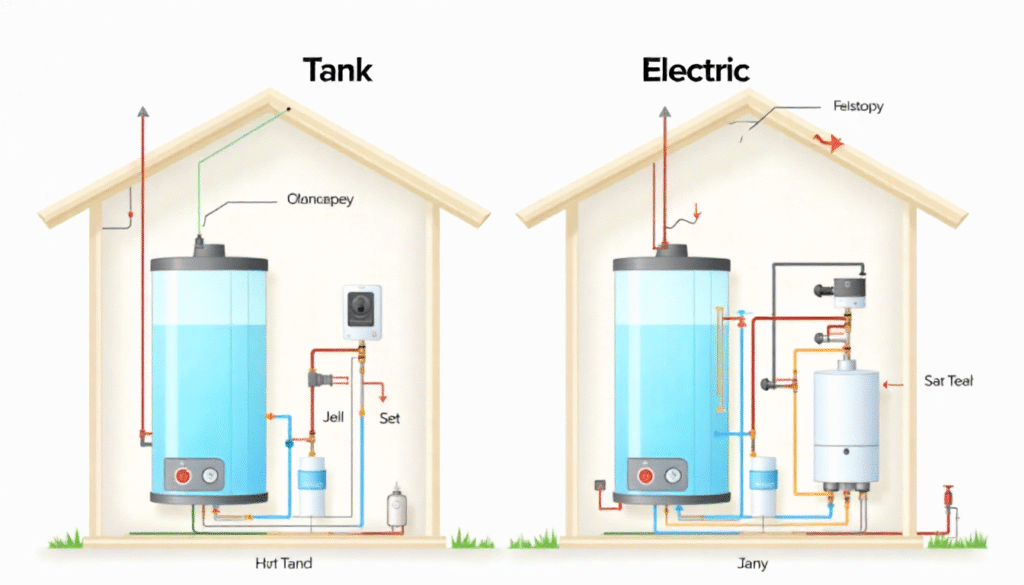
Before deciding between repair and replacement, it helps to understand what type of water heater you have and how long it is expected to last.
Types of Water Heaters
Most homes use one of the following:
- Tank water heaters – These store hot water in a tank and are the most common type.
- Tankless water heaters – These heat water on demand and do not store it.
- Gas or electric models – Both are widely used, depending on the home’s setup.
Each type has different repair costs, lifespans, and energy efficiency levels.
Average Lifespan of a Water Heater
- Tank water heater: Around 8 to 12 years
- Tankless water heater: Around 15 to 20 years
If your water heater is near or past the end of its expected lifespan, replacement is often the smarter option
When Water Heater Repair Makes Sense
In many cases, repairing a water heater is the right and most cost-effective choice, especially if the problem is minor.
Situations Where Repair Is a Good Idea
You should consider repair if:
- Your water heater is less than 8 years old
- The problem appeared suddenly and is not ongoing
- The repair cost is low compared to replacement
- There are no leaks from the tank itself
- You have not needed frequent repairs before
Common Water Heater Problems That Can Be Repaired
Many issues are fairly simple for a professional to fix, such as:
- No hot water due to a faulty heating element
- Pilot light problems in gas heaters
- Temperature control issues
- Strange noises caused by sediment build-up
- Faulty valves or thermostats
In these cases, a repair can restore normal performance and extend the life of your unit by several years.
When Water Heater Replacement Is the Better Option
Sometimes, repairing a water heater is only a short-term fix and ends up costing more over time. Replacement may be the safer and more reliable choice.
Signs You Should Replace Your Water Heater
Replacement is usually better if:
- Your unit is over 10–12 years old
- There is rust or corrosion on the tank
- You see water leaking around the base
- Repairs are becoming frequent
- Energy bills are rising due to inefficiency
- The heater struggles to meet your household’s hot water needs
A leaking tank, in particular, is a serious sign. Once the tank itself is damaged, repair is rarely possible.
Cost Comparison: Repair vs Replacement
Cost is one of the biggest factors when deciding what to do.
Average Cost of Water Heater Repair
Repair costs depend on the problem, but generally:
- Small repairs cost relatively little
- Major part replacements cost more but are still cheaper than full replacement
If the repair cost is less than half the price of a new unit, repair is usually worth considering.
Average Cost of Water Heater Replacement
Replacement costs include:
- The price of the new water heater
- Installation and labour
- Possible upgrades to meet safety or efficiency standards
While replacement costs more upfront, it often saves money over time through lower energy bills and fewer breakdowns.
Energy Efficiency and Long-Term Savings
Older water heaters are often much less energy efficient than newer models. Over time, this leads to higher utility bills.
Benefits of Replacing an Old Water Heater
- Improved energy efficiency
- Lower monthly energy costs
- Better and more consistent hot water supply
- Reduced risk of sudden breakdowns
- Quieter operation
Tankless water heaters, in particular, can be a good long-term investment for households with high hot water demand.
Repair vs Replacement: Quick Comparison
| Factor | Repair | Replacement |
| Upfront cost | Lower | Higher |
| Lifespan | Short-term extension | Long-term solution |
| Energy efficiency | No improvement | Much better |
| Reliability | May break again | High |
| Peace of mind | Limited | Strong |
This comparison shows why replacement often makes sense for older or unreliable units.
How to Decide What’s Right for Your Home
To choose between repair and replacement, ask yourself the following questions:
- How old is my water heater?
- How often has it needed repairs?
- Is the problem minor or serious?
- Do I want a long-term solution or a short-term fix?
- Am I paying more in energy bills than I should be?
If your unit is relatively new and the problem is small, repair is usually fine. If it is old and unreliable, replacement is often the smarter decision.
Why Professional Advice Matters
Water heaters involve electricity, gas, and pressurised water. Attempting DIY repairs can be dangerous and may void warranties.
A qualified professional can:
- Inspect your water heater safely
- Identify hidden issues
- Give honest advice on repair vs replacement
- Ensure all work meets safety standards
If your issue is related to heating systems or boilers, professional support such as Brightburn solution boiler repair service can help assess the problem correctly and recommend the safest option.
Frequently Asked Questions
Is it cheaper to repair or replace a water heater?
Repair is cheaper upfront, but replacement may save money long-term if the unit is old or inefficient.
How long does water heater replacement take?
Most replacements are completed within one day by a professional.
Can a leaking water heater be repaired?
If the leak is from the tank, replacement is usually required.
How do I know if my water heater is failing?
Common signs include inconsistent water temperature, noise, leaks, and rising energy bills.
Is a tankless water heater worth it?
For many homes, yes. They are energy-efficient and last longer, but cost more upfront.
Final Thoughts: Repair or Replace?
Choosing between water heater repair and replacement does not have to be difficult. The key factors are age, condition, cost, and reliability. Repairs work well for newer units with minor problems, while replacement is often the best choice for older, inefficient systems.
If you are unsure, a professional inspection can give you peace of mind and help you avoid unexpected breakdowns. Making the right decision now can save you money, stress, and cold showers in the future.