


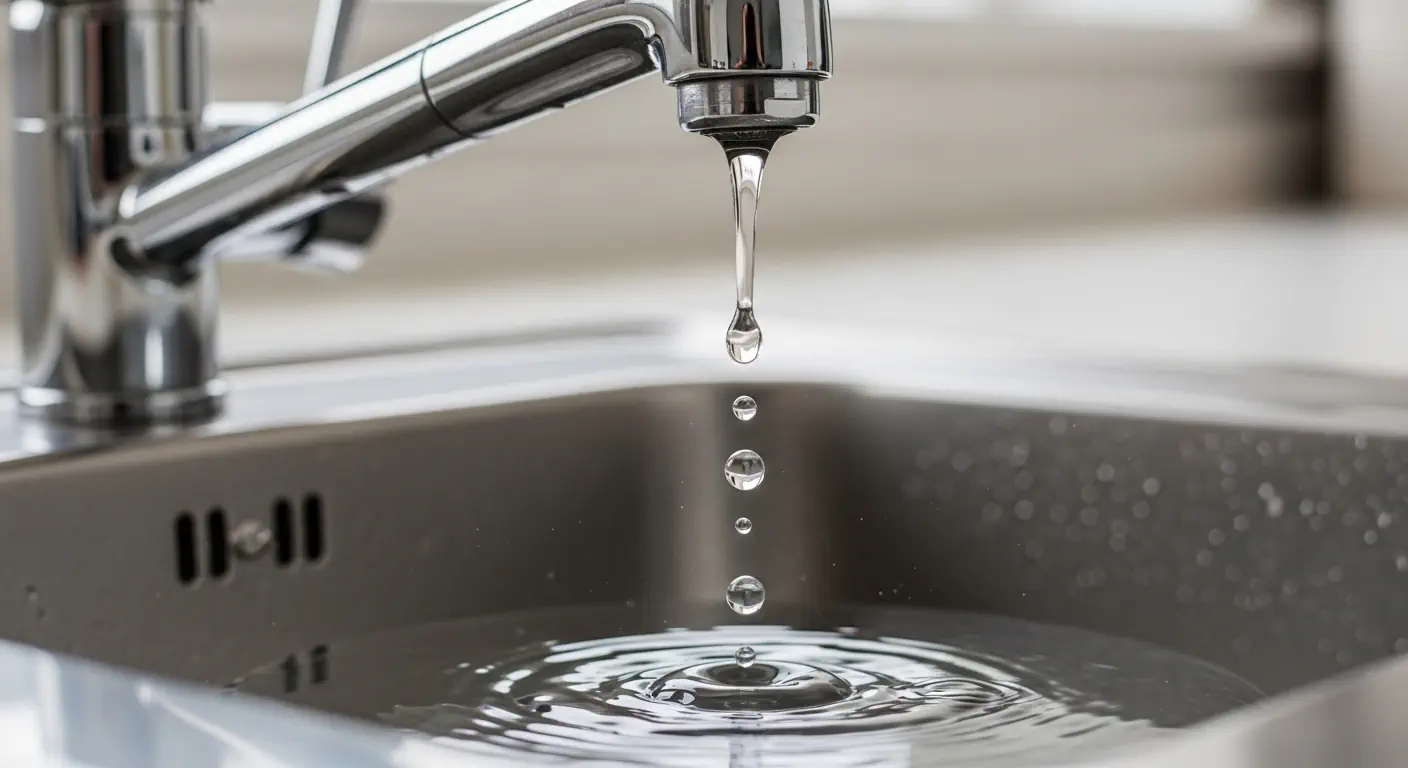
A dripping tap might seem like a minor annoyance, but over time it can waste significant amounts of water, increase your bills, and even cause damage to your plumbing system. Many homeowners ignore a slow drip, thinking it’s harmless. However, even a single drip every second can waste thousands of litres of water each year. In this article, we will explore why taps drip, how much water is wasted, and provide simple, practical solutions you can try at home.
Why a Dripping Tap Matters
You might wonder why such a small drip can be a problem. The truth is, even minor leaks can have serious consequences. A tap that drips once every second can waste more than 3,000 litres of water annually. Beyond the environmental impact, this wastage can also increase your water bill without you noticing. Continuous dripping may even cause stains, corrosion, or damp patches around your sink or bathroom.
Understanding these risks is the first step toward taking action. Once you know what’s at stake, you are more likely to fix the problem promptly.
Common Causes of a Dripping Tap
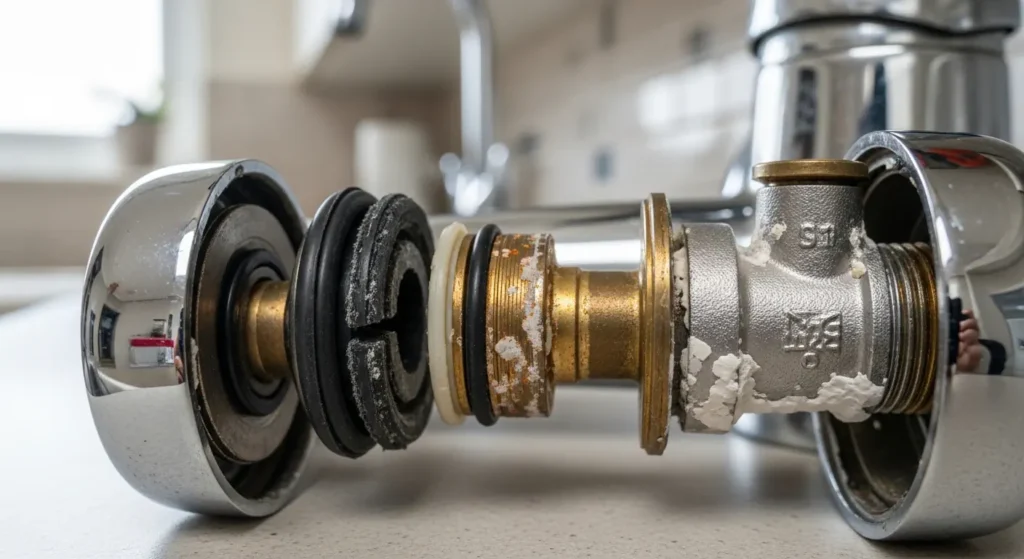
Knowing why a tap drips helps you address the problem effectively. There are several common causes:
Worn-Out Washers
Washers are small rubber or silicone discs inside the tap that seal the water flow. Over time, washers can become stiff, brittle, or worn out. When this happens, water can pass through the tap even when it’s turned off, causing a drip. Replacing a washer is often the simplest and most cost-effective solution.
Damaged O-Rings
O-rings are tiny rubber rings located around the tap handle. They help seal the tap and prevent leaks near the handle. If an O-ring becomes loose or damaged, it can lead to dripping. Replacing the O-ring is usually straightforward, but you will need to ensure you have the correct size for your tap.
Corroded Valve Seats
The valve seat connects the tap body to the spout. Over time, corrosion from hard water or mineral deposits can damage this part, allowing water to leak. Cleaning or replacing a corroded valve seat can resolve the problem, although it may require slightly more effort than changing a washer or O-ring.
High Water Pressure
Sometimes, the tap itself isn’t at fault. Excessive water pressure can cause taps to drip, especially after they’ve been turned off tightly. If multiple taps in your home are dripping, it might be worth checking your home’s water pressure.
Loose Parts and Mineral Deposits
Taps have several small components that can loosen over time. Mineral deposits from hard water can also build up inside the tap, causing leaks. Regular maintenance, such as cleaning and tightening parts, can prevent drips before they start.
Easy Solutions to Fix a Dripping Tap
Many dripping taps can be repaired at home without needing a plumber. Here are some simple solutions:
Replacing the Washer
Start by turning off the water supply to the tap. Remove the tap handle and unscrew the tap body to access the washer. Replace the old washer with a new one, reassemble the tap, and turn the water back on. This is often the quickest and most inexpensive fix.
Changing the O-Ring
Turn off the water supply and remove the tap handle to locate the O-ring. Replace it with a new ring of the same size and reassemble the tap. Once done, check if the dripping has stopped.
Cleaning or Replacing the Valve Seat
If the drip comes from the spout, the valve seat may be corroded. Remove the tap body and inspect the valve seat. Use a seat-cleaning tool or replace it if the corrosion is severe. Reassemble the tap and test it.
Reducing Water Pressure
If high water pressure is causing the drip, measure the pressure using a gauge. Consider installing a pressure-reducing valve to maintain safe levels. This can prevent future leaks and protect your plumbing system.
Regular Maintenance
Even if your tap isn’t dripping, it’s a good idea to inspect it regularly. Cleaning out mineral deposits, checking washers and O-rings, and tightening loose parts can prevent leaks before they start.
When to Call a Professional
Some dripping taps may require expert attention. Contact a plumber if you cannot stop the drip despite replacing washers and O-rings, if multiple taps are leaking, or if you notice unusual noises or water damage. For urgent repairs, searching for an emergency plumber near me can connect you with a reliable local professional quickly.
For a broader understanding of plumbing solutions and maintenance, be sure to check our Complete Guide to Plumbing Services. This comprehensive guide covers everything from emergency repairs to regular maintenance and water-saving tips.
Preventing Future Water Waste
Fixing a dripping tap is only part of the solution. Preventing leaks in the future will save water, money, and stress. Here are some practical tips:
Installing water-saving fixtures like aerators can reduce water flow without compromising performance. Inspect taps, washers, and O-rings at least once a year to catch potential leaks early. Monitor your water bills for unexpected increases, which may indicate hidden leaks. Regularly clean taps to remove mineral deposits, particularly if you live in a hard-water area.
By taking these steps, you can reduce water waste, lower your bills, and extend the lifespan of your plumbing system.
FAQs About Dripping Taps
Can a dripping tap increase my water bill?
Yes. Even a slow drip wastes hundreds of litres of water per year, which can noticeably increase your water bill.
What’s the easiest way to check for leaks?
Listen for dripping sounds, look for water stains around taps and sinks, or check your water meter when no water is being used.
How often should I check my taps?
It’s advisable to inspect taps at least once a year and replace worn washers or O-rings as needed.
Can I fix a dripping tap myself?
Most common leaks, caused by worn washers or O-rings, can be fixed at home. More complex issues, such as corroded valve seats, may require a professional plumber.
Conclusion
A dripping tap may appear insignificant, but the water waste, increased bills, and potential plumbing damage can be serious. Understanding the causes of leaks and applying simple DIY solutions can stop drips quickly. Regular maintenance and preventative measures will help avoid future problems, saving water and money in the long run.
Whether you attempt a DIY fix or need professional help, addressing the problem promptly ensures your home stays efficient and your water usage is minimal.