


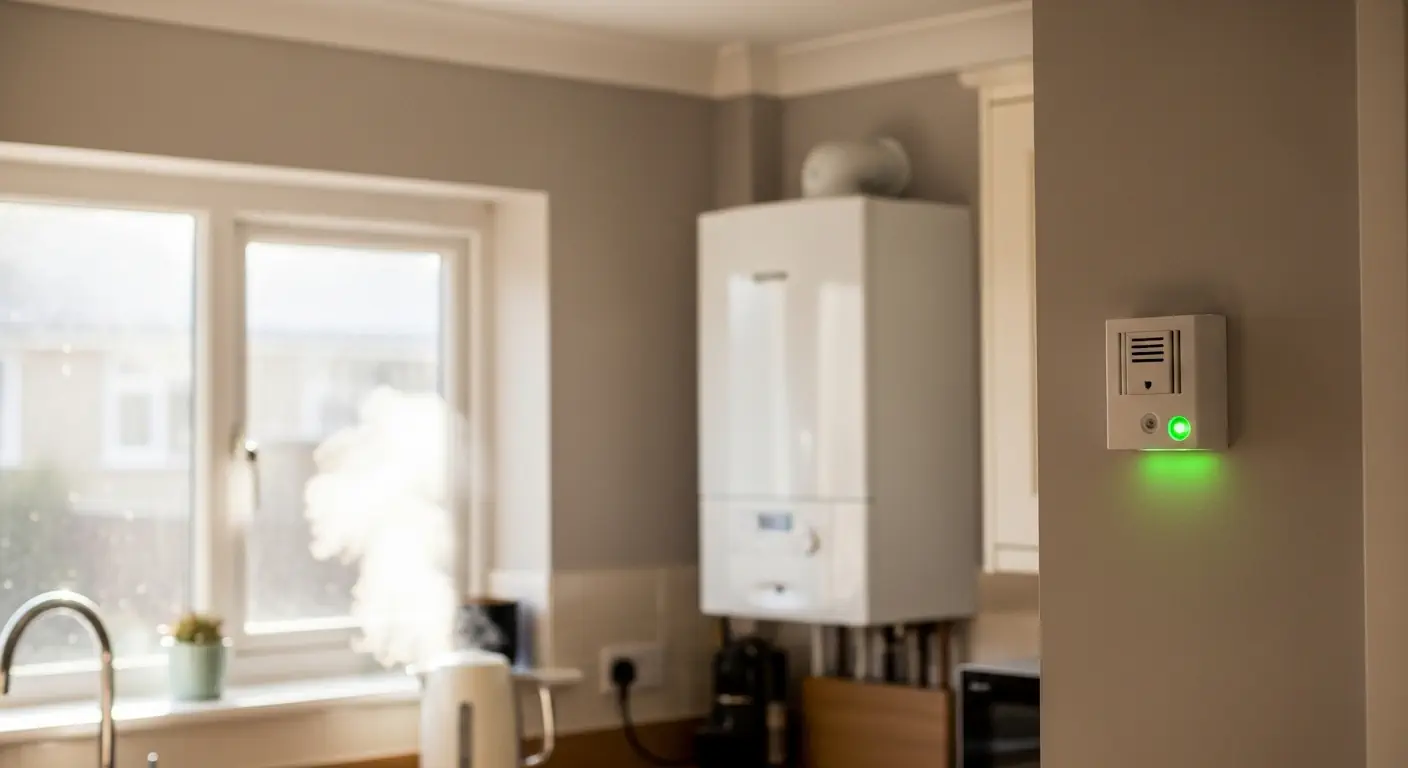
Carbon monoxide is a serious danger that many homeowners do not think about. You cannot see it. You cannot smell it. You cannot taste it. Yet it can harm you quickly and without warning. Because it is impossible to detect without special equipment, it is often called the silent killer.
Understanding how carbon monoxide works, why it is dangerous, and how to prevent it can protect your home and your family. This guide explains everything in simple and clear language so anyone can understand it.
What Is Carbon Monoxide?
Carbon monoxide, often called CO, is a poisonous gas. It is created when fuels such as gas, oil, coal, or wood do not burn properly. Many everyday appliances in homes use these fuels. Boilers, gas fires, cookers, and water heaters can all produce carbon monoxide if something goes wrong.
When appliances are installed and maintained correctly, they are usually safe. Problems happen when equipment becomes old, damaged, blocked, or poorly serviced. At that point, carbon monoxide can begin to leak into your home.
Why Carbon Monoxide Is So Dangerous
Your body needs oxygen to survive. When you breathe in carbon monoxide, it enters your bloodstream and replaces oxygen. This stops oxygen from reaching important organs like your brain and heart. Even small amounts can make you feel unwell. Larger amounts can become life-threatening in a short time.
What makes this gas especially dangerous is that there is no natural warning sign. Unlike smoke, it does not irritate your eyes or throat. Many people only realise something is wrong when they start to feel sick.
How Carbon Monoxide Builds Up in a Home
Most cases happen because of faulty or poorly maintained gas appliances. A boiler that has not been serviced for years can develop hidden faults. Blocked chimneys or flues can stop harmful gases from escaping outside. Poor ventilation can also trap gases indoors, especially during winter when windows stay closed for long periods.
Another common cause is attempting gas repairs without proper training. Gas systems are complex and should always be handled by qualified professionals. Even a small mistake can create serious risks.
Symptoms You Should Never Ignore
Carbon monoxide poisoning often feels like the flu at first. People may experience headaches, dizziness, tiredness, nausea, or shortness of breath. Because these symptoms are common, many people ignore them.
If exposure continues, symptoms can become more serious. Confusion, chest pain, blurred vision, and even collapse can happen. If several people in the same house feel unwell at the same time, especially when heating is on, this is a strong warning sign.
If you suspect a problem, open windows immediately, leave the property, and seek professional help. In urgent situations, contacting a trusted emergency engineer stoke on trent can ensure the issue is inspected safely and quickly.
Why Carbon Monoxide Alarms Are Essential
The only reliable way to detect carbon monoxide is by installing an alarm. These devices work like smoke detectors. If gas levels become unsafe, they make a loud sound that warns you to leave the property.
Alarms should be placed near boilers and sleeping areas. Testing them regularly and changing batteries when needed is just as important as installing them. An alarm is a small investment that can save lives.
The Importance of Regular Boiler Servicing
Many carbon monoxide incidents could be prevented with simple yearly maintenance. During a professional service, an engineer checks that your boiler is burning fuel correctly and safely. They inspect internal parts, test ventilation systems, and make sure gases are leaving the property as they should.
Regular servicing does more than protect your safety. It also improves efficiency, reduces energy bills, and extends the life of your heating system. Skipping annual checks may seem like a way to save money, but it increases risk over time.
Higher Risk During Winter
Cold weather increases the chances of carbon monoxide problems. Heating systems run for longer hours, and homes are sealed tightly to keep warmth inside. This combination can allow gases to build up if something is not working properly.
Before winter begins, it is wise to check your heating system and ensure alarms are functioning correctly. Taking action before the cold season reduces the chance of unexpected emergencies.
Protecting Children and Vulnerable People
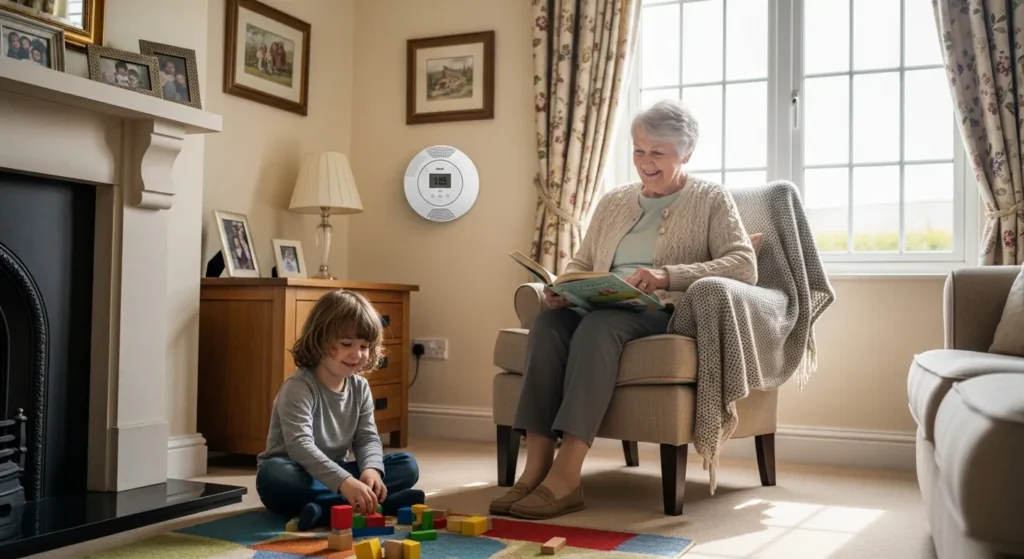
Children, elderly people, and pregnant women are more sensitive to carbon monoxide exposure. Children breathe faster, which means they can inhale more gas in a shorter time. Older adults may already have heart or breathing conditions that make exposure more dangerous.
For families, prevention should always be a priority. Simple safety steps can make a huge difference.
Common Misunderstandings
Some homeowners believe they would notice a gas leak because of smell. While natural gas has an added scent, carbon monoxide itself does not. Others assume new boilers are always safe. Even modern systems can develop faults if they are not serviced regularly.
Opening a window may help reduce gas levels, but it is not a complete solution. Proper maintenance and alarms are the only reliable protections.
Long-Term Effects of Exposure
Even low levels of carbon monoxide over time can cause health problems. People may suffer from ongoing headaches, memory issues, or difficulty concentrating. Because the symptoms are unclear, some cases go unnoticed for months.
This is why it is important to treat even mild signs seriously and seek professional advice if something feels unusual.
The Role of Professional Inspection
Gas systems are not simple household appliances. They involve combustion, ventilation, pressure levels, and safety controls. A trained gas engineer understands how these systems work and how to identify hidden dangers.
Professional inspections provide peace of mind. They confirm that your heating system meets safety standards and operates correctly. More importantly, they protect the people living inside the home.
Final Thoughts
Carbon monoxide is invisible, silent, and extremely dangerous. Yet it is also preventable. Installing alarms, booking annual servicing, and avoiding DIY gas work are simple steps that reduce risk greatly.
Your home should be a safe place for your family. Taking carbon monoxide safety seriously ensures comfort and protection all year round. Small actions today can prevent serious consequences tomorrow.