


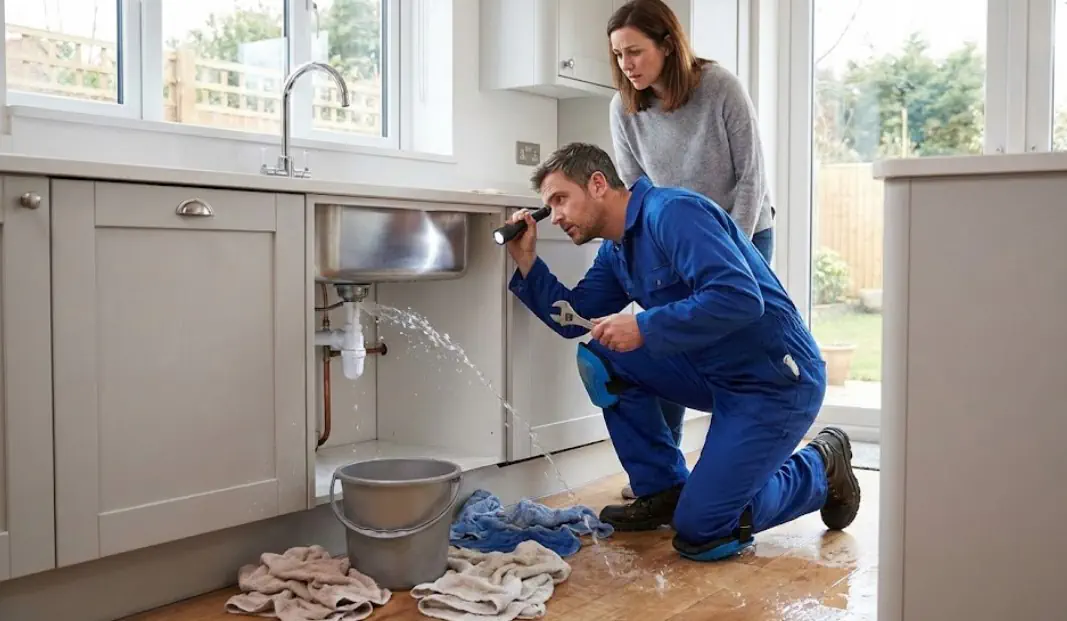
Plumbing emergencies often happen without warning. A small issue can turn into a serious problem in just a few minutes. Water damage spreads quickly, and some plumbing issues can even become dangerous if they are ignored. Knowing how to react in the first few moments can reduce damage and stress until professional help arrives.
This article explains the ten most common plumbing emergencies and how you can handle them safely using simple and practical steps.
1. Burst Pipes
A burst pipe is one of the most damaging plumbing emergencies. When a pipe bursts, water can flood your home very quickly and soak walls, floors, and furniture. This often happens in winter when water inside the pipe freezes and expands, but old pipes or high water pressure can also be the cause.
If a pipe bursts, turn off the main water supply immediately. This will stop more water from entering the system. Opening nearby taps can help release pressure in the pipes. If water is close to electrical sockets or appliances, switch off the electricity for safety. After this, contact an emergency plumber straight away.
2. Blocked Toilet
A blocked toilet is uncomfortable and stressful, especially when the water level starts to rise. This problem usually happens because items that should not be flushed are stuck in the pipes.
When you notice a blockage, stop flushing the toilet. Flushing again can cause overflow and make the situation worse. A plunger may help if the blockage is minor, but it should be used gently. If water continues to rise or the blockage does not clear, turn off the toilet’s water valve and call a plumber to avoid flooding and hygiene issues.
3. Overflowing Sink or Bath
An overflowing sink or bath usually means there is a blockage in the drain. Hair, soap, grease, or food waste often builds up over time and restricts water flow.
As soon as you notice water backing up, turn off the tap to prevent overflow. If you can see debris near the drain, carefully remove it using gloves. Avoid using strong chemical drain cleaners, as they can damage pipes and may not fully remove the blockage. A plumber can clear the drain properly and safely.
4. No Water Supply
Losing your water supply suddenly can be worrying, especially if you rely on it for daily tasks. Sometimes the issue is outside your home, but it can also be caused by frozen pipes or internal plumbing problems.
Check whether neighbours are experiencing the same issue. If they have water, the problem is likely inside your property. Look for visible leaks or signs of frozen pipes. If you cannot find the cause, an emergency plumber can quickly identify the issue and restore your water supply.
5. Leaking Boiler
A leaking boiler should never be ignored. Boilers operate under pressure and heat, so leaks can be dangerous as well as damaging.
If you notice water coming from your boiler, switch it off immediately and turn off the water supply. Avoid touching the unit, especially if it is hot. A qualified plumber or heating engineer should be called as soon as possible, as boiler repairs require specialist knowledge.
6. Sewer Back-up
A sewer back-up is one of the most serious plumbing emergencies due to health risks. Wastewater may come back through toilets, sinks, or drains, bringing strong smells and bacteria into your home.
If this happens, stop using all water in the property. Keep people and pets away from the affected areas and open windows for ventilation. Sewer problems must be handled by professionals, so contact an emergency plumber without delay.
7. Gas Leak from Plumbing Appliances
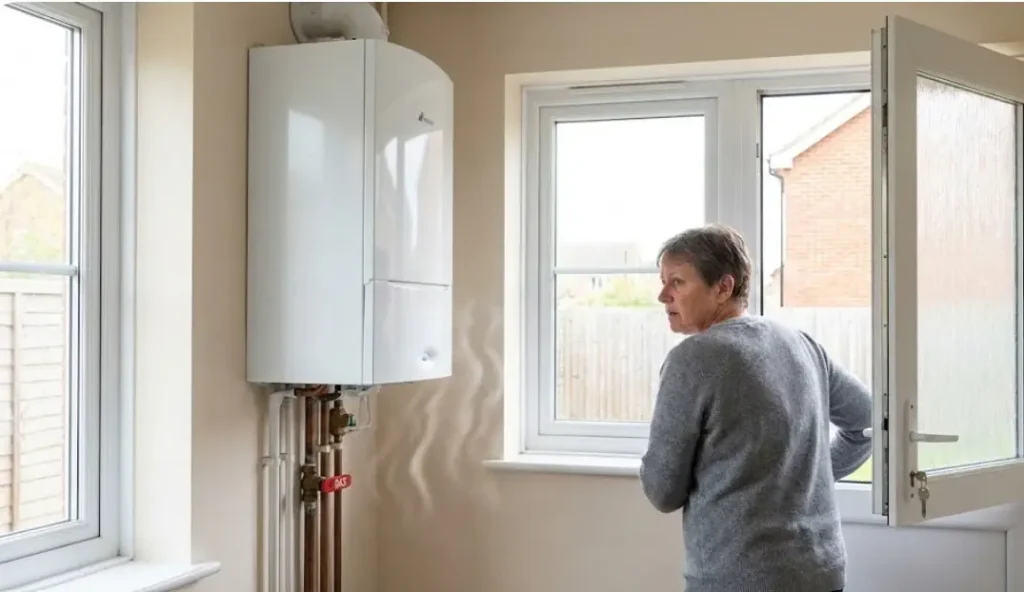
Gas leaks are extremely dangerous and require immediate action. They may come from boilers, gas water heaters, or connected pipework.
If you smell gas or feel dizzy, turn off the gas supply if it is safe to do so. Open doors and windows, leave the property, and contact emergency gas services. Never use electrical switches or open flames if you suspect a gas leak, as this could cause an explosion.
8. Broken Water Heater
A broken water heater can leave you without hot water and may also cause leaks or flooding. This issue often appears suddenly and worsens if ignored.
If your water heater fails, turn off the power or gas supply and shut off the water feed to the unit. Water heaters should not be repaired without proper training, so calling a plumber is the safest option.
9. Major Water Leaks
Some water leaks are easy to spot, while others are hidden behind walls or ceilings. These leaks can cause serious damage over time if they are not dealt with.
Signs of a major leak include damp patches, mould growth, or an unexpected rise in water bills. If you suspect a leak, turn off the main water supply and contact a plumber. Early action can prevent structural damage and costly repairs.
10. Frozen Pipes
Frozen pipes are common during cold weather and can quickly lead to burst pipes if handled incorrectly. Pipes that are poorly insulated or exposed to cold air are most at risk.
If you think a pipe is frozen, turn off the water supply and gently warm the pipe using a towel or safe heater. Never use open flames. If the pipe has burst or you are unsure what to do, an emergency plumber can resolve the problem safely.
Preventing Plumbing Emergencies
While not every emergency can be avoided, regular maintenance can greatly reduce the risk. Simple habits such as fixing small leaks early, insulating pipes in winter, and servicing boilers regularly can make a big difference. Knowing where your main water shut-off valve is located can also save valuable time during an emergency.
Final Thoughts
Plumbing emergencies are stressful, but quick action and calm decisions can limit damage. Understanding what to do in the first few moments can protect your home and keep everyone safe.
If you ever face a serious plumbing issue, do not delay. Calling an emergency plumber at the right time can prevent a small problem from becoming a major disaster.