


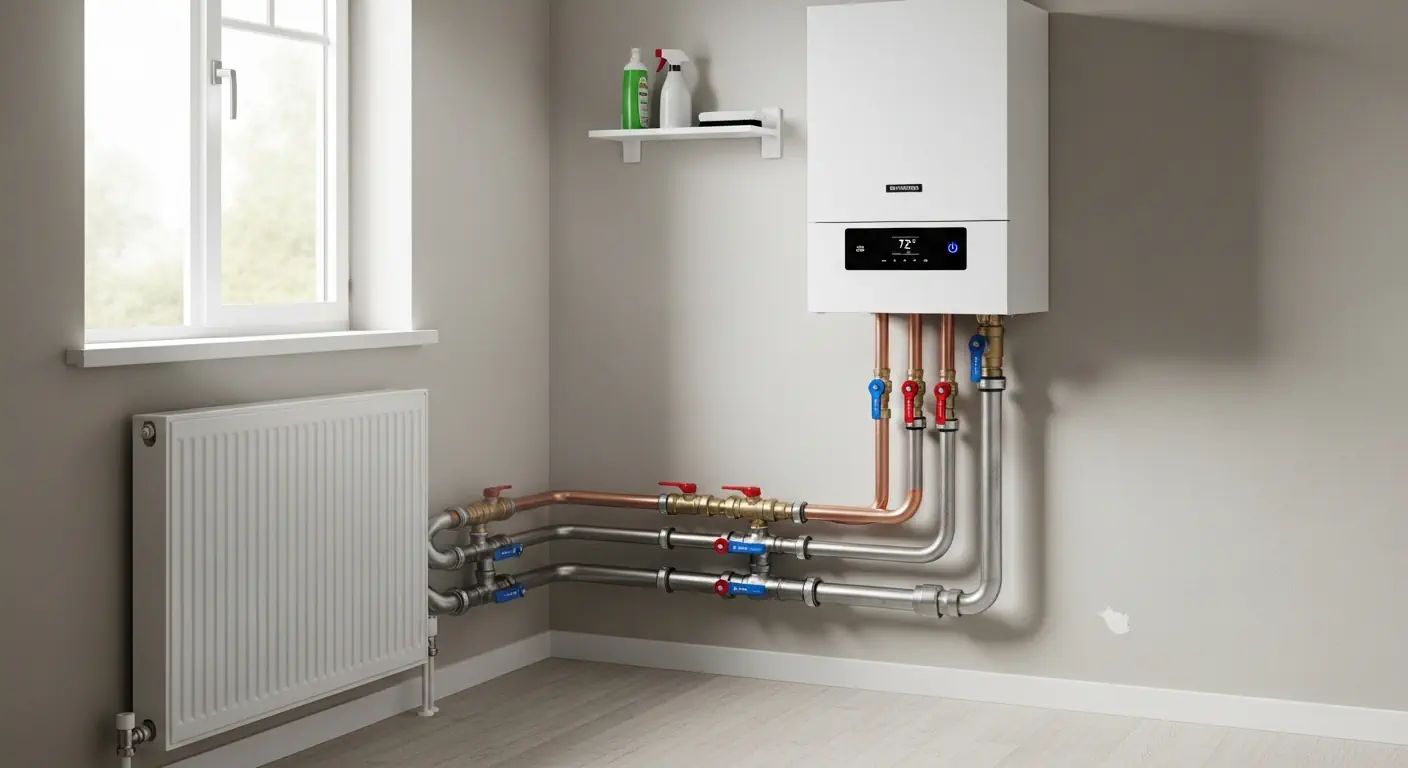
Boilers are essential in modern homes, providing hot water for showers, taps, and central heating. Despite their importance, many homeowners do not fully understand how boiler plumbing works. Knowing the basics of your boiler system can help prevent problems, save money, and keep your home comfortable all year round. In this guide, we will explain how boiler plumbing works in residential homes, including the main components, common problems, and maintenance tips.
What is Boiler Plumbing?
Boiler plumbing refers to the network of pipes, valves, and fittings that connect your boiler to your home’s heating and hot water system. It ensures that water is heated safely and distributed efficiently. The boiler itself heats water using gas, electricity, or oil, while the plumbing carries that water to radiators, taps, and showers.
In residential homes, boiler plumbing is designed to be safe, reliable, and energy-efficient. A well-installed system delivers hot water quickly, maintains proper pressure, and helps reduce energy costs. Proper plumbing also makes it easier to detect issues such as leaks or pressure drops early.
Key Components of Residential Boiler Plumbing
The heart of the system is the boiler unit, which heats water quickly and safely. Pipes and fittings transport this water throughout the home, while radiators release heat into rooms. The expansion tank manages the extra pressure caused by heated water, and valves and thermostats regulate flow and temperature. A pump keeps water circulating through the system so that every radiator and hot water outlet receives a steady supply. Together, these components work seamlessly to provide efficient heating and hot water.
How Boiler Plumbing Works
Boiler plumbing operates as a closed-loop system. Cold water from the mains enters the boiler, where it is heated by gas, electricity, or oil. Once heated, the water circulates through pipes to radiators, taps, and showers. The pump ensures that water reaches every part of the home efficiently. As the radiators release heat, the water cools slightly and returns to the boiler to be reheated. This continuous cycle keeps your home warm and ensures a steady supply of hot water. Understanding this process can help you spot small issues and know when to call a professional.
Installation of Residential Boiler Plumbing
Installing a boiler is a complex task that should always be done by a qualified professional. The process begins with choosing the right boiler based on the home’s size and hot water needs. Next, the pipe layout is planned to allow water to flow efficiently to all radiators and taps. Safety devices, such as pressure relief valves and expansion tanks, are installed to protect the system. Finally, radiators and hot water outlets are connected, and the system is tested for proper heating, pressure, and circulation. If you ever need urgent help, an emergency plumber expert can handle installations and repairs quickly and safely.
Common Problems in Boiler Plumbing
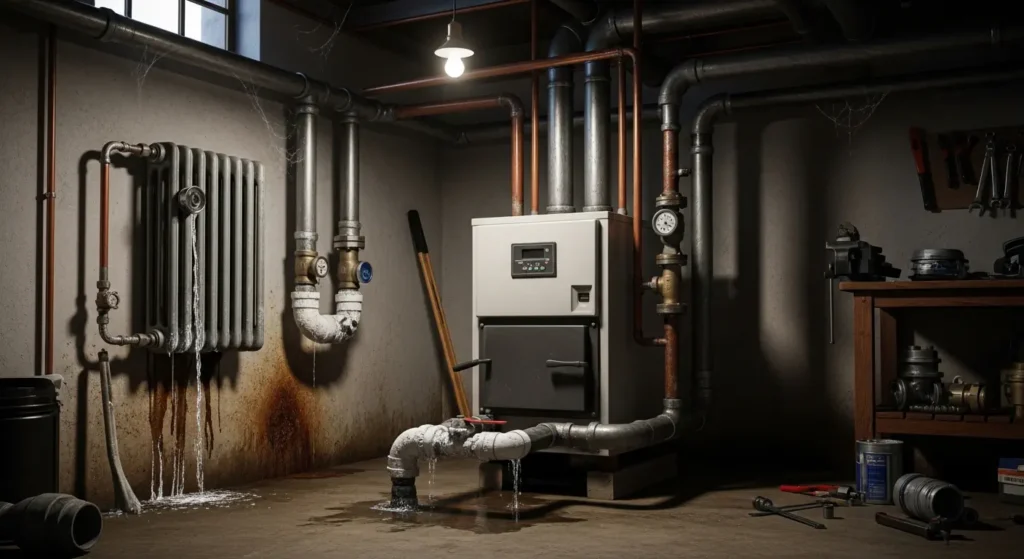
Even well-installed systems can develop problems over time. Leaks may occur in pipes or joints, wasting water and reducing efficiency. Low water pressure can prevent radiators from heating properly, often caused by leaks, air trapped in the system, or pressure drops. Cold radiators might indicate blockages, air, or a failing pump. Strange noises like banging or gurgling are usually caused by air in the pipes or limescale buildup. Being aware of these issues can help homeowners act quickly to prevent more serious damage.
Maintenance Tips for Boiler Plumbing
Proper maintenance is essential for a safe and efficient boiler system. Regular inspections and annual servicing by a professional can ensure the system runs smoothly. Bleeding radiators removes trapped air, improving efficiency, and checking pressure levels regularly keeps the system in balance. Inspecting pipes and radiators for leaks, and keeping the boiler area clear of clutter, also helps prolong the life of the system. For more detailed information, you can check our complete guide Plumbing Services for tips on maintaining your home plumbing system.
Benefits of a Well-Maintained Boiler System
A well-maintained boiler system offers several advantages. It improves energy efficiency, reducing fuel costs while providing reliable hot water for your home. Regular maintenance increases the lifespan of the boiler, preventing costly repairs or replacements. It also ensures safety by preventing leaks, bursts, or overheating. Most importantly, a properly maintained system keeps your home comfortable, warm, and cozy throughout the year.
Conclusion
Boiler plumbing is the backbone of residential heating and hot water systems. From heating water to distributing it efficiently through radiators and taps, a properly installed and maintained system ensures comfort and safety. Understanding how your boiler works helps you spot potential issues early and make informed decisions about repairs or upgrades. Whether installing a new boiler, troubleshooting a problem, or performing routine maintenance, hiring professionals such as an emergency plumber expert ensures the job is done safely and efficiently.