


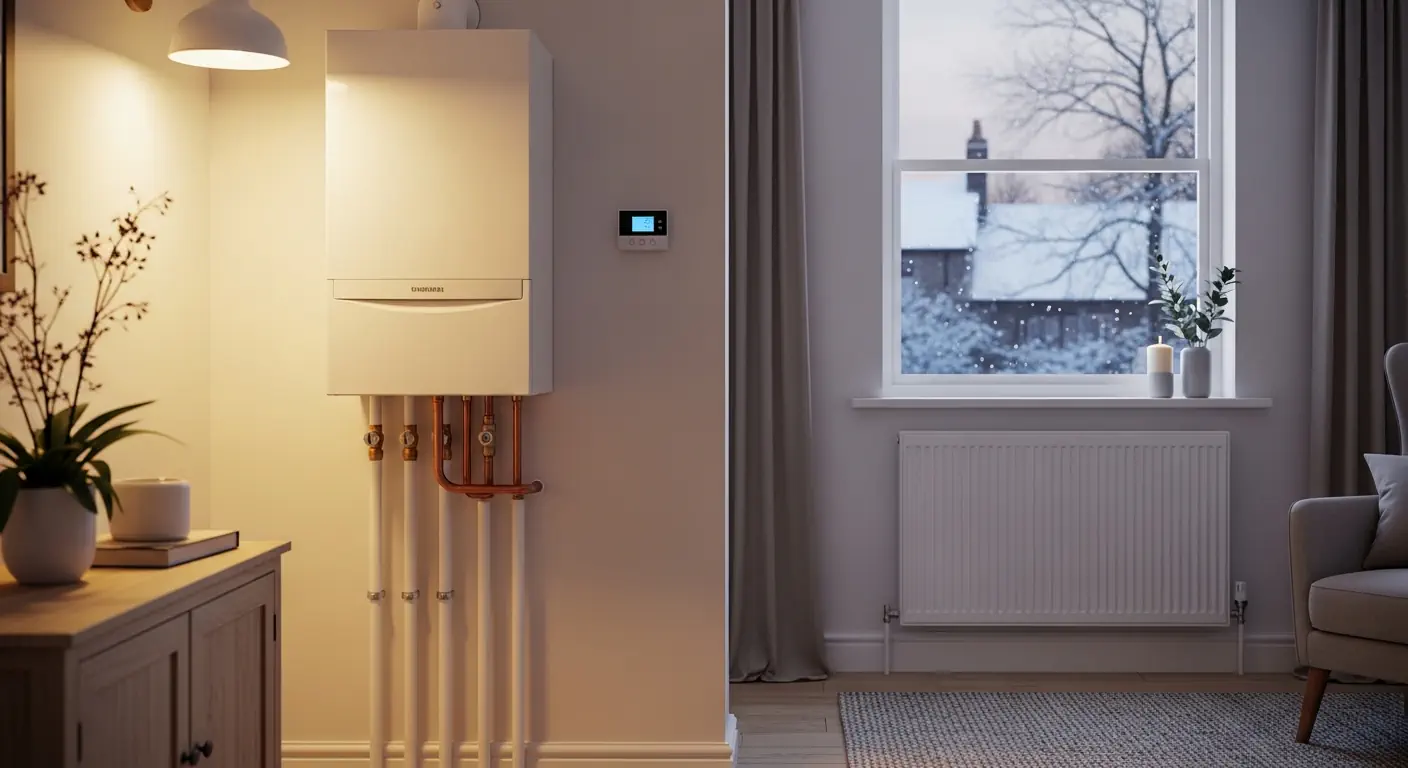
Winter is the hardest time for boilers. Cold weather, shorter days, and constant heating make your boiler work non-stop. This can lead to problems if your system is old, poorly maintained, or overworked. A breakdown in winter is not just uncomfortable, it can also be expensive. Fortunately, with simple care, most boiler issues can be prevented. Here’s how to reduce boiler breakdowns and keep your home warm.
Understand Your Boiler
Before anything else, it helps to know how your boiler works. Your boiler heats water for radiators and taps. There are a few types: combi boilers, system boilers, and regular boilers. Each type has slightly different maintenance needs. Knowing what type you have makes it easier to notice issues early.
Boilers have several important parts, such as the pressure valve, heat exchanger, and pump. If any of these parts are worn or blocked, your boiler may struggle in winter. Understanding your system will help you spot problems before they become serious.
Service Your Boiler
Regular servicing is one of the best ways to prevent winter breakdowns. A professional engineer can check for leaks, clean parts, test safety valves, and make sure your boiler is running efficiently.
It’s recommended to have your boiler serviced once a year, ideally before the cold weather begins. Waiting until winter can mean discovering problems when you need your heating most.
For professional help, local boiler specialists in Stoke-on-Trent can provide annual servicing and expert advice. If you also want guidance on finding trustworthy professionals, read our guide How to Choose a Reliable Plumber: Checklist for Homeowners .
Keep the Boiler Area Clean
A dusty or cluttered area around the boiler can reduce efficiency and even create safety risks. Make sure nothing blocks vents or flues. Wiping dust from pipes and components occasionally can help the boiler run smoothly.
Check Boiler Pressure Regularly
Boiler pressure is important for heating water and circulating it through your home. Most boilers have a pressure gauge. The ideal pressure is usually 1–2 bars when the system is cold.
If the pressure is too low, your radiators may not heat properly. If it’s too high, it could cause leaks or damage. You can adjust the pressure using the filling loop or drain valve, but always follow your boiler’s instructions or ask a professional.
Bleed Your Radiators
Air trapped inside radiators can reduce heating efficiency. Bleeding radiators is simple and can prevent cold spots.
Quick steps to bleed a radiator:
- Turn off the heating
- Use a radiator key to open the valve
- Let air escape until water flows
- Close the valve and check pressure
Doing this at the start of winter, and occasionally during the season, will help your boiler work less hard.
Insulate Your Pipes
Cold weather can freeze pipes, causing leaks or even bursts. Insulating your pipes is an easy and effective way to prevent damage.
- Use foam or rubber insulation for pipes in unheated areas like lofts, garages, or basements
- Leave a small trickle of water running through taps during very cold nights
- Keep doors open in unused rooms so warm air reaches the pipes
Insulated pipes help your boiler work safely and efficiently.
Use a Programmable Thermostat
A thermostat can reduce stress on your boiler and save energy. Setting your heating according to your schedule ensures your boiler only runs when needed.
You can:
- Lower the temperature while sleeping or away
- Raise it before you wake up or return home
- Use room-by-room controls if available
This keeps your home warm without overworking the boiler.
Use Quality Fuel
If you have an oil or gas boiler, the quality of your fuel matters. Poor-quality fuel can cause blockages, deposits, or reduced efficiency. Always use a trusted supplier. Never attempt to fix gas problems yourself—always call a certified engineer.
Watch for Warning Signs
Catching problems early can prevent costly repairs. Common warning signs include strange noises, cold spots in radiators, frequent pressure drops, or leaks around the boiler. If you notice any of these, call a professional immediately.
Keep the Manual Handy
Your boiler manual contains important information on operation, maintenance, and emergency steps. Keep it accessible during winter. Knowing how to check pressure, reset the boiler, and contact engineers can save time and stress.
Consider a Boiler Upgrade
Older boilers are more prone to breakdowns and may not run efficiently. If your boiler is over 10–15 years old, consider replacing it with a modern energy-efficient model. New boilers save energy, reduce heating bills, and are less likely to fail in winter.
Plan for Emergencies
Even with proper care, boilers can fail. Being prepared helps you stay safe and comfortable. Keep contact numbers for local engineers, have blankets and warm drinks ready, and know how to turn off the boiler safely if needed.
Quick Winter Checklist
Only a few bullet points here for emphasis:
- Service the boiler before winter
- Bleed radiators and check pressure
- Insulate pipes in cold areas
- Watch for leaks, noises, or cold spots
- Keep emergency numbers ready
By following these steps, your boiler is more likely to run smoothly all winter. Regular care, simple checks, and a bit of preparation will reduce breakdowns and save you time, money, and stress. A well-maintained boiler is safer, more efficient, and keeps your home warm when you need it most.