


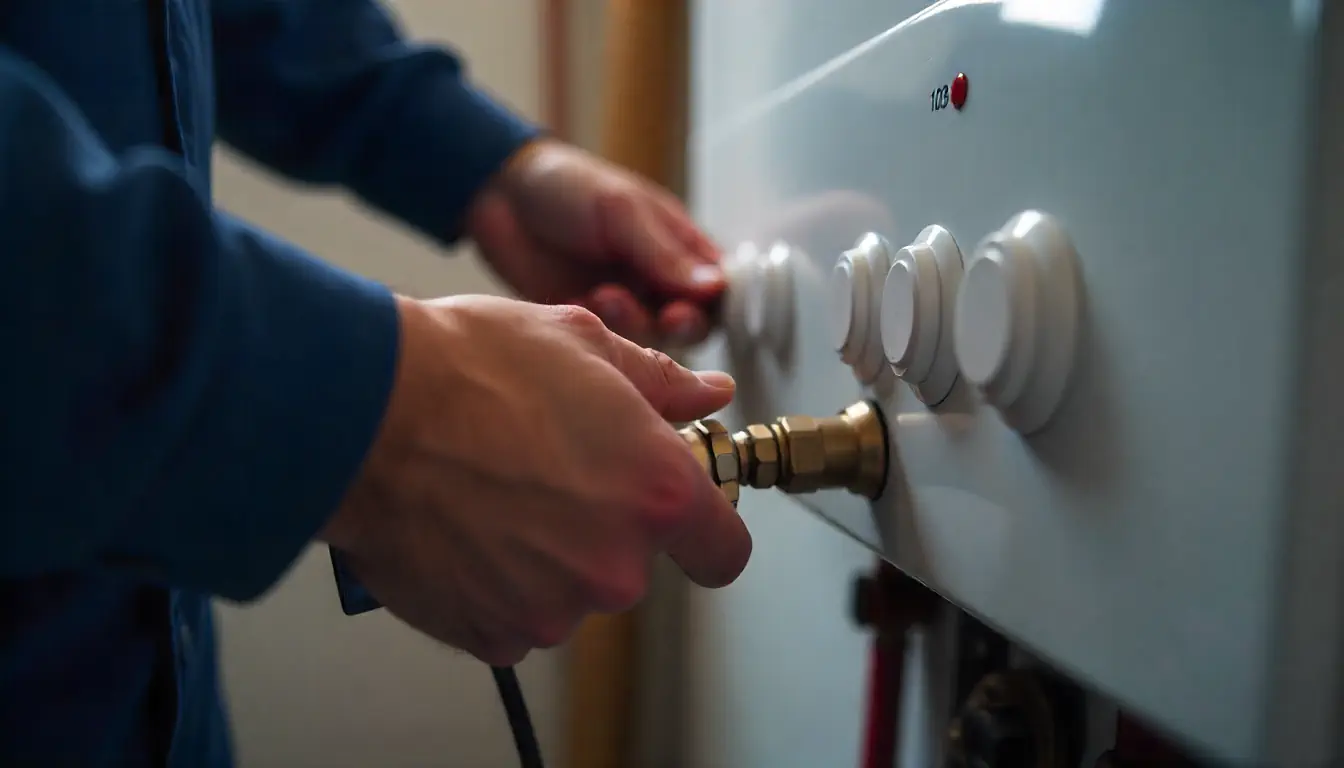
A boiler is one of the most important parts of any home. It gives you hot water, keeps your house warm, and works quietly in the background every day. But like any machine, a boiler needs regular care. That is why a yearly boiler service is so important. Many homeowners don’t realise what actually happens during a boiler service, and some even worry that engineers will take hours checking things they don’t understand.
The truth is simple: a boiler service is a professional, safety-focused check to make sure your boiler is running safely, efficiently and reliably. In this easy guide, we explain what engineers check during a boiler service, step by step, in clear English. This will help you feel confident and fully informed before booking your appointment.
Why a Boiler Service Matters
Before we look at the checks, it helps to know why the service matters. A boiler service is not only about solving problems; it’s about preventing them. A well-maintained boiler:
- Works safely
- Uses less energy
- Lasts longer
- Breaks down less often
- Provides better heating and hot water
Most problems in boilers build up slowly, so a trained engineer can spot issues long before they become expensive repairs.
1. Visual Inspection of the Boiler
The service begins with a simple but important step: a full visual inspection. The engineer checks the outside of your boiler for any obvious signs of damage or wear. This includes:
- Rust
- Water leaks
- Loose parts
- Soot marks
- Burnt areas
- Poor installation
- Unsafe pipework
They will also look at the boiler’s location. A boiler needs enough space for air to flow, and it must not be blocked by cupboards, bags, or other items. If your boiler is tucked inside a kitchen cupboard, the engineer will make sure there is enough ventilation.
2. Checking Boiler Controls and Settings
Next, the engineer tests your boiler’s controls. This ensures everything works correctly and responds as it should. They will check:
- Thermostat
- Timer
- Programmer
- Safety controls
- Pressure gauges
These controls help your boiler run efficiently. If any settings are incorrect, the engineer will adjust them to improve performance. Proper pressure and correct timing also mean lower energy bills.
3. Testing the Flue and Air Supply
The flue is a pipe that removes harmful gases from the boiler to the outside of your home. It must be clear, safe and fully sealed. During a service, the engineer:
- Checks the flue for cracks or gaps
- Looks for signs of corrosion
- Makes sure it is fitted safely
- Confirms the flue is removing gases properly
A blocked or damaged flue can be dangerous because it may allow carbon monoxide to escape inside your home. This is one of the most important safety checks in the service.
4. Internal Inspection: Opening the Boiler
After the outside checks are done, the engineer safely opens the boiler case to inspect the internal parts. This is something only a Gas Safe registered engineer should ever do. Inside, they check:
Burner
This is where the gas burns to create heat. The engineer looks for:
- A clean flame
- No blockages
- No soot build-up
- Correct ignition
A dirty burner means your boiler uses more gas than it needs.
Heat Exchanger
This is the part that transfers heat to the water. The engineer checks for:
- Limescale
- Cracks
- Leaks
- Soot build-up
If the heat exchanger is blocked or damaged, your boiler will struggle to heat water efficiently.
Fan
The fan helps move harmful gases safely into the flue. The engineer checks:
- Fan speed
- Noise levels
- Smooth operation
A faulty fan can cause your boiler to shut down.
Seals and Gaskets
These small rubber parts keep the boiler airtight. The engineer checks:
- No cracks
- No wear
- No gas leaks
If seals are damaged, they are replaced to keep your boiler safe.
5. Cleaning Parts of the Boiler

Not all boilers need cleaning at every service, but many do. Over time, dust, soot, and limescale can affect performance. Engineers may clean:
- Burner
- Heat exchanger
- Condensate trap
- Fan
- Ignition electrodes
Cleaning prevents future problems, reduces noise and improves efficiency.
6. Checking Gas Pressure and Gas Rate
Gas pressure is one of the most important parts of boiler performance. If the pressure is too low, the boiler won’t heat properly. If it’s too high, parts can become damaged.
The engineer checks:
- Incoming gas pressure
- Operating pressure
- Gas rate (how much gas your boiler uses)
This ensures the boiler is burning gas safely and efficiently.
7. Safety Device Testing
All modern boilers have built-in safety devices. During the service, the engineer tests:
- Flame sensor
- Pressure relief valve
- Overheat thermostat
- Ignition system
- Air pressure switch
These components keep you safe by shutting down the boiler if something goes wrong.
8. Checking the Condensate Pipe and Trap
Condensing boilers produce water as part of their operation. This water leaves the boiler through the condensate pipe. The engineer checks:
- The pipe is clear
- No blockages
- No freezing damage
- Trap is clean and working
A blocked condensate pipe can stop your boiler from working, especially in winter.
9. Water Pressure and Expansion Vessel Check
Your system needs the right pressure to work well. The engineer checks:
- System pressure level
- Expansion vessel air pressure
- No water leaks
The expansion vessel helps manage pressure changes inside the boiler. If it fails, you may notice pressure dropping often.
10. Radiator and System Checks (Optional)
Some engineers also check:
- Radiator heat levels
- Pump operation
- Pipework condition
This helps ensure your entire heating system is working smoothly, not just the boiler.
11. Final Safety Tests
Before finishing the service, the engineer runs final tests. These include:
- Carbon monoxide test
- Gas leak test
- Boiler efficiency test
- Restart and operation check
They make sure the boiler starts correctly, runs smoothly and shuts down safely.
12. Service Report and Recommendations
At the end of the service, the engineer gives you a service report. This includes:
- Boiler parts checked
- Any issues found
- Safety test results
- Recommendations for repairs or improvements
This report is important because it proves your boiler has been professionally serviced, which can also help with warranty claims.
What You Can Do Between Services
To keep your boiler healthy between services:
- Check the boiler pressure monthly
- Keep the area around the boiler clean
- Look for leaks or unusual noises
- Bleed radiators if needed
- Never block the flue
Simple steps like these can prevent small problems from becoming big ones.
When to Book a Boiler Service
Experts recommend servicing your boiler once a year. The best time to book is in summer or early autumn. This helps make sure the boiler is ready before cold weather arrives. If your boiler shows signs of trouble (cold radiators, leaks, low pressure, strange noises), you should book earlier.
If you live in or near Staffordshire and want reliable help, you can book a boiler service stoke on trent from a trusted local engineer.
Final Thoughts
A boiler service may seem like a simple appointment, but it includes many important safety and performance checks. Engineers look at everything from the burner and heat exchanger to the controls, flue and gas pressure. Their job is to make sure your boiler is safe, efficient, and ready to work through the year.
Understanding what happens during a service gives you confidence, helps you ask the right questions, and ensures your home stays warm and safe. A well-maintained boiler runs better, lasts longer, and saves money — making a yearly service one of the best decisions for any homeowner.