


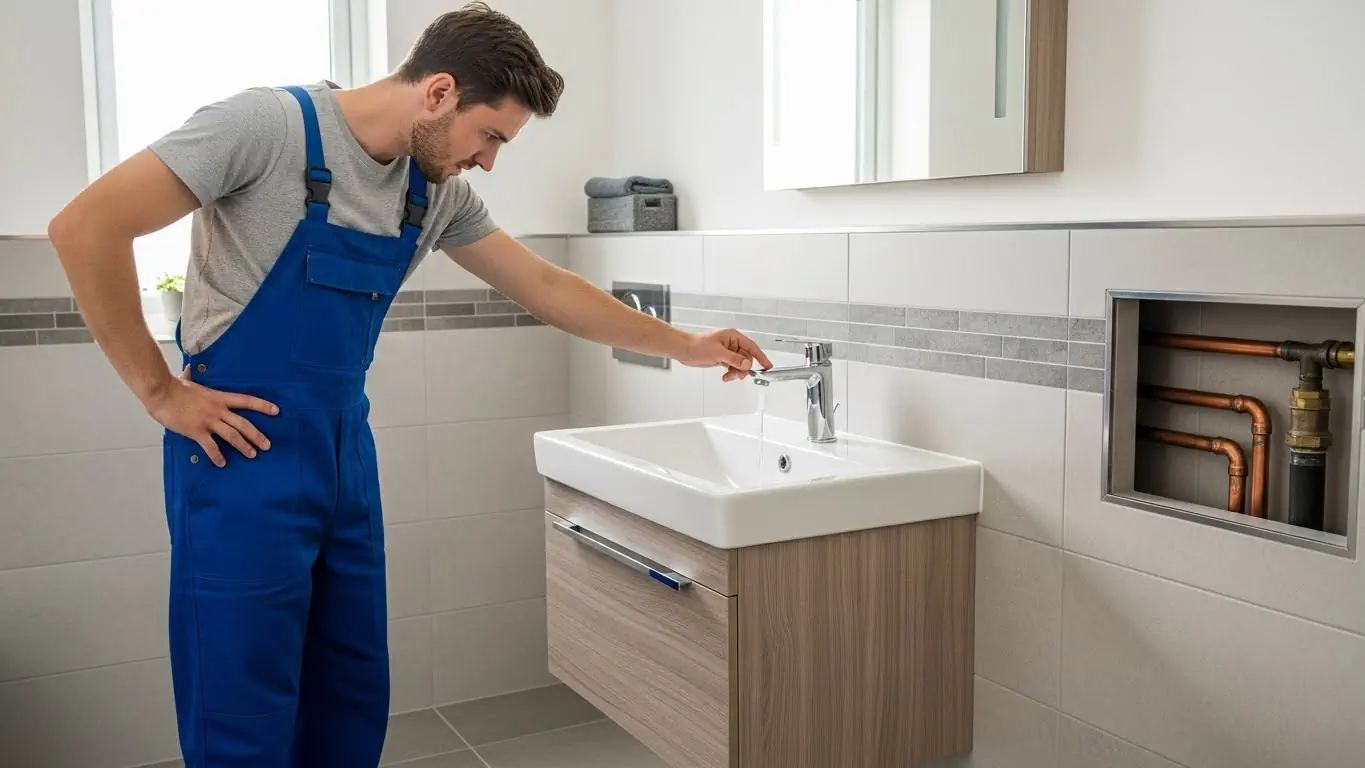
Low water pressure is one of those home problems that can be annoying and frustrating. From a weak shower to a slow-filling sink, it affects your daily routine. Knowing why your water pressure is low and when to call a plumber can save you time, money, and stress.
In this article, we will explain the common reasons for low water pressure and when it is best to get professional help.
What Is Water Pressure?
Water pressure is the force that pushes water through your pipes. It is measured in pounds per square inch (PSI), and normal water pressure in most homes is between 40 and 60 PSI. If the pressure drops below this, you may notice slow water flow from taps, showers, and appliances.
Low water pressure is not only inconvenient but can also damage plumbing systems and appliances over time.
Common Causes of Low Water Pressure
There are several reasons your water pressure may be low. Some are easy to fix, while others need a plumber’s help.
1. Blocked Pipes
Over time, mineral deposits and dirt can build up inside your pipes, slowing water flow. This is especially common in older homes with metal pipes.
Signs of blocked pipes include:
- Weak flow from only one tap
- Rusty or discoloured water
- Gurgling sounds in the pipes
Solution: You can try cleaning aerators or showerheads, but if the problem continues, it may be time to call a plumber.
2. Leaks in Your Plumbing
A leak in your pipes can significantly lower water pressure. Leaks also waste water and can cause damage to your home.
How to spot leaks:
- Damp patches on walls, ceilings, or floors
- A sudden increase in your water bill
- Dripping taps or running toilets
If you suspect a serious issue, contacting a reliable emergency plumber repair service is the quickest and safest way to fix it.
3. Problems with the Water Supply
Sometimes the problem is not inside your home but with the water supply. Pressure can drop due to:
- Maintenance work on water mains
- Burst pipes in your area
- High demand during busy hours
Check with your water supplier to see if low pressure is affecting your area.
4. Faulty Pressure Regulator
A pressure regulator is a device on your main water line that keeps pressure steady. If it stops working properly, water pressure can be low or inconsistent.
Signs include:
- Water pressure changes at different times
- Strange noises from the pipes
A plumber can inspect the regulator and repair or replace it if needed.
5. Corroded Pipes
Old metal pipes can rust over time, narrowing the pipe and slowing water flow. Corrosion can also cause leaks or discoloured water.
Solution: In most cases, replacing the pipes is the best long-term fix. A plumber can advise if you need new piping.
6. Blocked Fixtures
Sometimes the issue is just one fixture, such as a showerhead or tap. Mineral deposits can block aerators, screens, or valves.
Quick fixes:
- Remove the fixture and soak it in vinegar
- Clean or replace clogged parts
This is an easy DIY fix if the problem is only one tap or shower.
How to Test Your Water Pressure
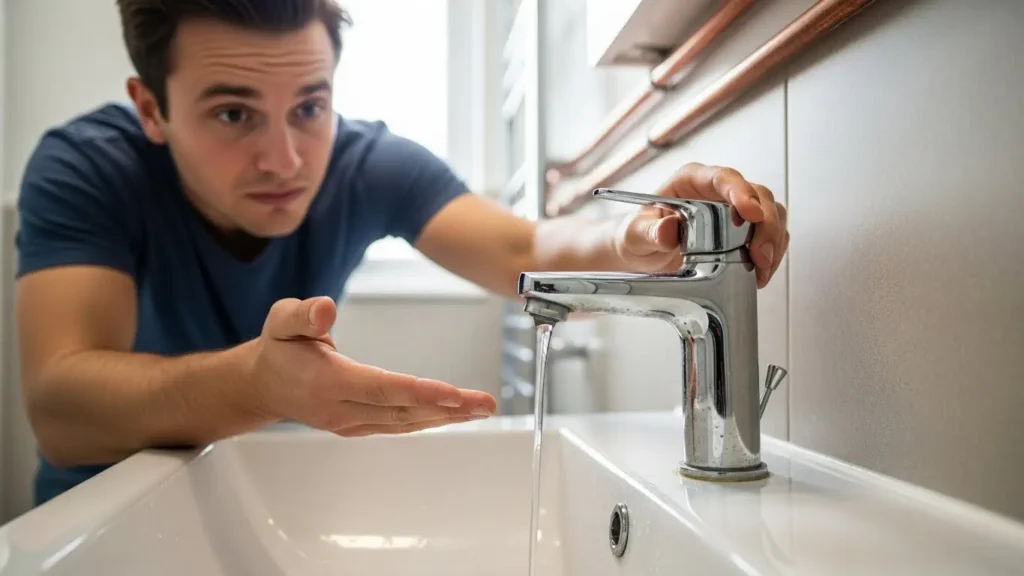
Testing water pressure can show whether the problem affects your whole house or just one tap. You will need a water pressure gauge, which is cheap and easy to buy.
Steps:
- Turn off all water-using appliances.
- Attach the gauge to an outdoor tap.
- Turn on the water and read the measurement.
- 40–60 PSI: Normal
- Below 40 PSI: Low pressure
- Above 80 PSI: High pressure (can damage pipes)
If your pressure is consistently low, it’s time to investigate further or call a plumber.
When to Call a Plumber
Some water pressure problems can be fixed at home, but others need professional help. You should call a plumber if you notice:
- Low pressure in the whole house
- Leaks in walls, ceilings, or floors
- Sudden drops in water pressure
- Discoloured or smelly water
- Faulty pressure regulator
Using a trusted plumber ensures the problem is diagnosed and fixed properly, avoiding bigger problems later. For a full overview of what professionals can help with, read our Complete Guide to Plumbing Services.
Preventing Low Water Pressure
Preventing low water pressure is better than fixing it. Here are some simple tips:
1. Regular Plumbing Checks
Have a plumber inspect your pipes and fixtures regularly. This can spot early signs of corrosion, leaks, or blockages.
2. Clean Fixtures Often
Clean taps, showerheads, and aerators to remove mineral build-up. This keeps water flowing well.
3. Watch Your Water Pressure
Keep an eye on your water pressure. Sudden changes can indicate a leak or other plumbing issue.
4. Consider a Water Softener
Hard water can cause minerals to build up in pipes. A water softener can reduce scale and protect your plumbing.
Common Myths About Low Water Pressure
- Myth: Low pressure always comes from the water supplier.
Fact: Most low-pressure problems start inside the home. - Myth: Replacing a showerhead fixes low pressure.
Fact: This only works if the issue is a blocked fixture. - Myth: All plumbers do the same work.
Fact: Quality matters. A trusted plumber can save you money and avoid repeat issues.
Final Thoughts
Low water pressure can be frustrating, but most problems are fixable with the right approach. Knowing the causes—blocked pipes, leaks, faulty regulators, or corroded pipes—helps you decide whether a simple DIY fix is enough or if a plumber is needed.
If you notice serious problems like leaks or sudden pressure drops, don’t wait. Contact a reliable emergency plumber service to prevent damage and restore your water flow.
Regular maintenance and keeping an eye on water pressure can prevent most issues before they start.