



Winter is the season of cozy evenings, warm drinks, and family gatherings at home. However, it’s also the time when gas appliances are used more often, which increases the risk of accidents if proper safety measures are not followed. For homeowners in Stoke-on-Trent, understanding how to maintain gas safety during the cold months is essential. In this guide, we will share practical winter gas safety tips that are easy to follow and help keep your home safe.
1. Have Your Gas Appliances Checked Annually
One of the most important steps to ensure gas safety is scheduling an annual check for all your gas appliances. Boilers, gas fires, and heaters should be inspected by a certified professional before the winter season starts. A regular check helps identify leaks, blockages, or faulty components that could cause serious issues later.
In Stoke-on-Trent, hiring a professional gas engineer stoke on trent ensures that your appliances are inspected properly, giving you peace of mind during the colder months.
2. Install Carbon Monoxide Detectors
Carbon monoxide (CO) is an invisible and odorless gas produced by burning fuels such as gas, oil, and wood. It can be deadly if inhaled in high amounts. Installing carbon monoxide detectors in key areas like the kitchen and near bedrooms is a simple and effective way to protect your family.
Make sure to check the batteries regularly and replace detectors every 5-7 years, depending on the manufacturer’s instructions.
3. Keep Vents and Chimneys Clear
Gas appliances need proper ventilation to work safely. Blocked vents or chimneys can cause dangerous gases to build up inside your home. Before winter sets in, inspect your vents, flues, and chimneys to make sure they are free from debris such as leaves, bird nests, or dust.
If you notice anything unusual or if your chimney hasn’t been cleaned for a while, it’s best to call a professional for a proper inspection and cleaning.
4. Know the Signs of a Gas Leak
Gas leaks can be dangerous and require immediate action. It’s important for every homeowner to know the warning signs:
- A strong smell of gas, often similar to rotten eggs
- Hissing or whistling sounds near gas appliances or pipes
- Dead or discolored vegetation around outdoor gas lines
- Feeling dizzy, nauseous, or having headaches when indoors
If you detect any of these signs, leave the property immediately and contact the gas emergency services. Do not turn on electrical switches or use open flames.
5. Avoid DIY Gas Repairs
While some home repairs can be handled by yourself, gas appliances are not one of them. Attempting to fix gas leaks or faulty appliances without proper training can be extremely dangerous. Always hire a licensed professional for any gas-related issues.
This ensures that your home remains safe and that repairs are done according to official safety standards.
6. Check Your Boiler Pressure
During winter, boilers work harder to heat your home. Low or high boiler pressure can cause heating problems or even damage the system. Most boilers have a pressure gauge, usually between 1 and 2 bars when cold.
If the pressure is too low, you may need to top it up, and if it’s too high, bleeding your radiators can help. Always refer to the manufacturer’s instructions or consult a professional if you’re unsure.
7. Keep Flammable Items Away
Gas appliances generate heat, so it’s important to keep flammable items at a safe distance. Avoid placing curtains, furniture, or paper products near gas heaters, boilers, or fires. Even small items can ignite and cause accidents.
Maintaining a clear space around your gas appliances reduces the risk of fire and ensures better airflow for efficient operation.
8. Regularly Test Gas Appliances
Gas appliances, like cookers, water heaters, and fires, should be tested regularly to ensure they are working properly. Check for unusual smells, noises, or irregular flames. A blue flame usually indicates normal combustion, while yellow or orange flames may signal incomplete burning, which can release dangerous gases.
If you notice anything unusual, stop using the appliance and get it inspected immediately.
9. Educate Your Family About Gas Safety
Everyone in the home should be aware of basic gas safety practices. Teach children not to touch gas appliances or play near heaters. Make sure everyone knows how to turn off the gas supply in case of an emergency.
Having a clear safety plan can prevent accidents and ensure that everyone reacts quickly if there is a problem.
10. Ensure Proper Ventilation When Cooking
Gas cookers and ovens release carbon monoxide, so it’s important to ventilate the kitchen properly. Open windows or use extractor fans while cooking to reduce the risk of CO buildup.
Never block ventilation openings and avoid using gas cookers to heat your home, as this can be extremely dangerous.
11. Be Careful with Portable Heaters
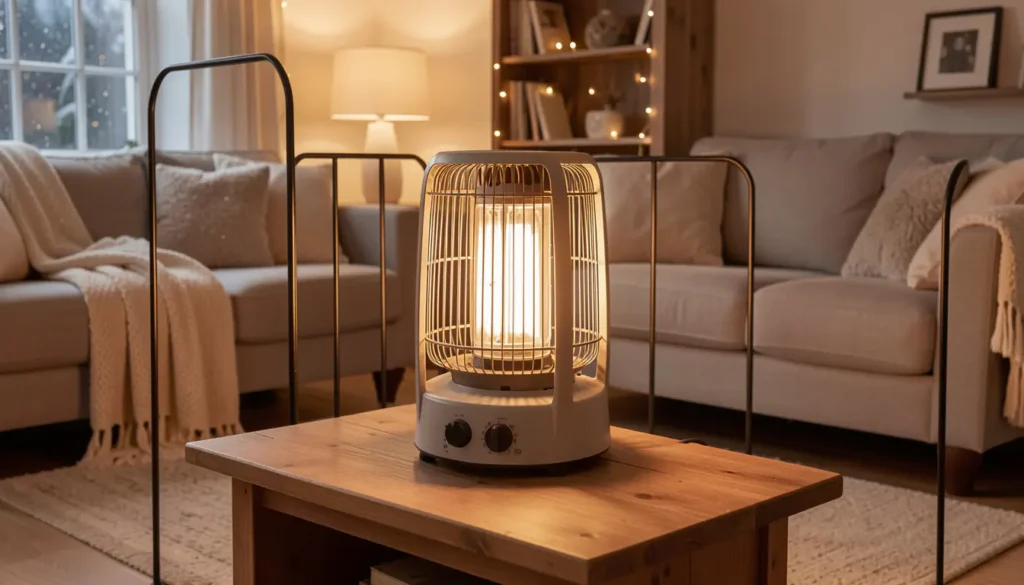
Portable gas heaters can be useful in winter, but they must be used safely. Follow the manufacturer’s instructions, keep them away from flammable objects, and never leave them unattended. Make sure they are placed on a stable surface and regularly check for leaks or damage.
12. Have an Emergency Plan
Even with all precautions, accidents can still happen. Prepare an emergency plan for your family. Keep gas emergency numbers handy, know the location of your gas shut-off valve, and ensure everyone knows what to do in case of a gas leak.
Being prepared can save lives and reduce damage to your home.
13. Check for Old or Faulty Pipes
Older homes in Stoke-on-Trent may have aging gas pipes that are prone to leaks. Inspect your gas lines for rust, cracks, or other damage. If you suspect any issues, contact a licensed engineer immediately. Modern pipes and fittings are safer and can prevent accidents during heavy winter usage.
14. Keep Regular Maintenance Records
Maintaining a record of inspections, repairs, and service checks can help you keep track of your gas appliances. It also provides proof that your home is well-maintained in case of insurance or safety inspections.
A well-documented maintenance routine ensures nothing is overlooked and your home remains safe all winter long.
15. Stay Updated With Local Gas Safety Advice
Local authorities and gas companies in Stoke-on-Trent often provide updates and safety tips for winter. Following their advice can help you stay informed about any recalls, hazards, or new safety regulations.
Check official websites or local news regularly to keep your family and home protected.
Conclusion
Winter can be a wonderful time to enjoy the comfort of your home, but it also comes with the responsibility of ensuring gas safety. By following these practical tips—like having appliances checked, installing CO detectors, keeping vents clear, and educating your family—you can prevent accidents and enjoy a warm, safe winter in Stoke-on-Trent.