Maintaining your home’s plumbing is often overlooked, but regular upkeep can save you money, prevent water damage, and keep your home running smoothly. Many homeowners only call a plumber when something goes wrong, but a proactive approach helps avoid emergencies and costly repairs.
If you’re a homeowner in the UK, especially in Stoke-on-Trent or surrounding areas, this plumbing maintenance checklist will guide you through simple steps to keep your system in top shape.
Why Plumbing Maintenance Matters
Proper plumbing maintenance isn’t just about avoiding leaks. Regular checks can:
- Prevent expensive repairs
- Reduce water wastage and lower bills
- Protect your home from water damage and mould
- Extend the life of your pipes, fixtures, and appliances
Even simple actions, like checking for leaks or cleaning drains, can make a huge difference over time.
1. Check for Leaks Regularly
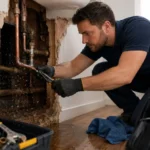
One of the easiest ways to maintain your plumbing is to inspect for leaks. Look under sinks, around toilets, and near water heaters for damp spots or dripping water. Even small leaks can increase your water bills and cause damage to floors or walls if left unchecked.
If you notice any signs of leaks that you can’t fix yourself, it’s best to call a professional. A trusted local option is Brightburn Solutions plumber Stoke on Trent, who can handle all types of plumbing issues efficiently.
2. Monitor Your Water Pressure
Low or high water pressure can signal plumbing problems. To check, simply use a pressure gauge or notice how your taps flow.
- Low pressure may indicate a blockage or leaking pipe.
- High pressure can strain your pipes and lead to leaks over time.
If you’re unsure, a qualified plumber can adjust your system safely.
3. Maintain Your Drains
Clogged drains are one of the most common plumbing problems. To prevent blockages:
- Use strainers in sinks and showers to catch hair and debris.
- Avoid pouring grease, oil, or food waste down the sink.
- Regularly flush drains with hot water to keep them flowing.
For more information about plumbing, check out our previous guide:Complete Guide to Plumbing Services.
4. Inspect and Clean Fixtures
Taps, showerheads, and other fixtures can build up limescale over time, especially in areas with hard water. Cleaning them regularly improves flow and extends their life.
- Remove and soak showerheads in vinegar to remove deposits.
- Check taps and washers to prevent drips.
- Inspect toilets for leaks or running water.
Regular upkeep keeps your fixtures efficient and prevents small issues from turning into big repairs.
5. Water Heater Maintenance
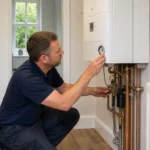
Water heaters need attention too. Sediment can build up at the bottom of the tank, reducing efficiency and causing corrosion. To maintain your heater:
- Flush the tank once a year to remove sediment.
- Check the pressure relief valve to ensure it works properly.
- Inspect pipes and fittings for leaks or corrosion.
A well-maintained water heater lasts longer and saves you energy costs.
6. Protect Pipes in Winter
In the UK, freezing temperatures can cause pipes to burst, leading to major water damage. Take precautions during colder months:
- Insulate exposed pipes in lofts, garages, and unheated spaces.
- Seal gaps near pipes to prevent drafts.
- Keep a slow drip from taps in extreme cold to prevent freezing.
Knowing where your main water shut-off valve is located can also save your home in an emergency.
7. Seasonal Plumbing Checklist
Breaking down maintenance tasks by season makes it easier to remember and stay on top of plumbing care.
Spring
- Inspect pipes for winter damage
- Clear gutters and outdoor drains
- Check outdoor taps for leaks
Summer
- Test garden hoses and irrigation systems
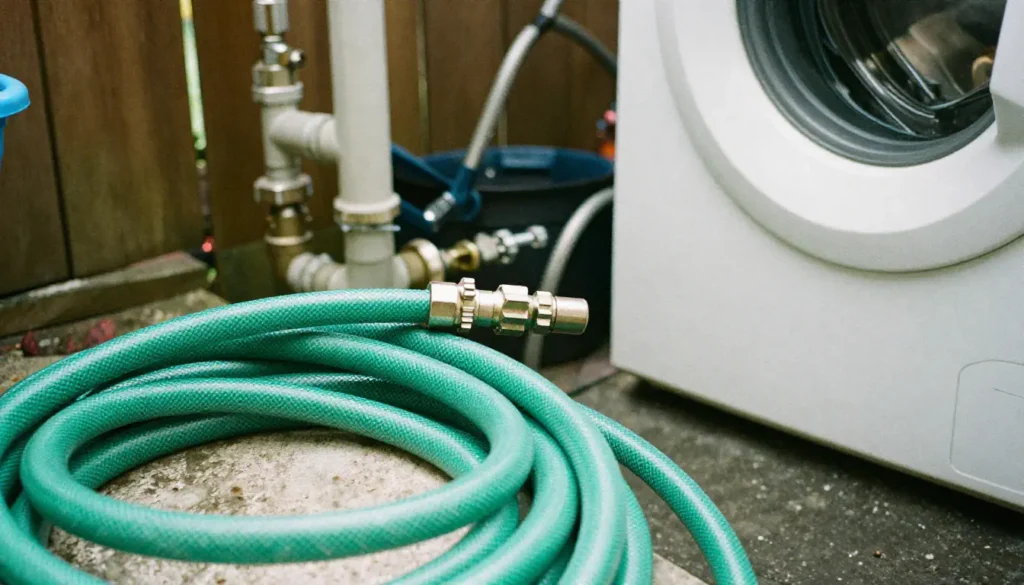
- Check washing machine hoses for wear
Autumn
- Insulate pipes ahead of winter
- Remove debris from gutters and drains
Winter
- Drip taps during freezing nights
- Check indoor heating systems
- Ensure pipes are not exposed to cold drafts
Regular seasonal checks keep your home protected year-round.
8. Toilet and Bathroom Maintenance
Bathrooms are the most used plumbing areas in any home, and small issues can escalate quickly.
- Inspect toilets for running water or leaks at the base.
- Test showers and taps for proper flow.
- Clear any hair or soap buildup from drains to prevent blockages.
A little attention every few weeks can prevent bathroom plumbing emergencies.
9. Kitchen Plumbing Care
The kitchen sees a lot of daily use, which makes maintenance important:
- Avoid putting grease or hard food items down the sink.
- Check under sinks for leaks regularly.
- Inspect dishwashers and other appliances connected to water lines.
This simple routine can prevent clogs and extend the life of your kitchen plumbing.
10. Know When to Call a Professional
Some plumbing issues are best left to experts. Signs you may need a professional include:
- Persistent leaks
- Strange noises in pipes
- Discoloured water
- Low or inconsistent water pressure
For homeowners in Stoke-on-Trent, Brightburn Solutions plumber Stoke on Trent offers professional inspections, repairs, and maintenance services.
Regular professional visits complement your DIY checks and ensure your plumbing system remains safe and efficient.
Conclusion
Taking care of your home’s plumbing doesn’t have to be complicated. By following this plumbing maintenance checklist, you can prevent leaks, save money, and protect your home from water damage.
- Inspect pipes and fixtures regularly
- Maintain drains and water heaters
- Prepare your pipes for winter
- Know when to call a professional
Small, consistent efforts make a big difference. Start today and keep your home’s plumbing in excellent condition all year round.