It’s a cold evening and you suddenly realise the house feels chilly. You check your radiators — they’re cold. You try the hot tap — only icy water comes out. Your boiler has stopped working.
When your heating fails, panic often sets in, but the truth is, most boiler problems can be fixed quickly if you know what to do.
This guide explains the practical steps to take when you have no heat, how to stay safe, and how to get your boiler repaired quickly by the right professional.
1. Stay Calm and Check What’s Happening
The first thing to do is stay calm. A loss of heat can be caused by something minor, such as low pressure or a frozen pipe. Before assuming the worst, take a few minutes to identify precisely what is wrong.
- Is your hot water also gone, or only the heating?
- Is your boiler showing an error code or flashing light?
- Have you recently had power cuts or gas supply issues in your area?
Writing down these details helps the engineer understand the fault more quickly later.
2. Do a Few Basic Checks Yourself
Before calling an engineer, it’s worth checking a few simple things any homeowner can do.
Check the boiler pressure
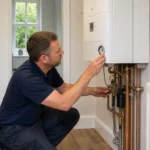
Almost every modern boiler has a pressure gauge. Usually, it should sit around 1 to 1.5 bars when the system is cold. If it’s much lower, the boiler may not start. You can sometimes top it up using the small filling loop under the boiler, following the instructions in your manual.
Check the thermostat
Make sure your thermostat hasn’t been turned down accidentally or switched to “off”. If it’s battery-powered, replace the batteries and check that the clock or schedule is correct.
Check the power supply
Sometimes the issue is as simple as a tripped fuse. Ensure the boiler switch is on and the main fuse board hasn’t tripped.
Look outside for frozen pipes
In freezing weather, the condensate pipe that carries waste water from your boiler can freeze. If it’s blocked by ice, the boiler shuts down to protect itself. You can pour warm (not boiling) water over the pipe to thaw it carefully.
If none of these steps bring the boiler back to life, it’s time to call a professional.
3. Safety Comes First
If you ever smell gas, hear hissing, or notice black marks around the boiler, turn off the appliance immediately and open windows. Do not try to fix anything yourself. Leave the property if the smell is strong and call the national gas emergency number straight away.
Never remove the boiler casing or touch internal parts. Only a Gas Safe-registered engineer is legally permitted to repair or service gas appliances in the UK.
If you feel dizzy, have a headache, or feel unwell when the boiler is running, it could be a sign of carbon monoxide exposure. Turn the boiler off, leave the property, and seek help. It’s a good idea to have a carbon monoxide alarm fitted in every home with a gas appliance.

4. Call a Qualified Boiler Engineer
When you’re sure it’s not a simple issue, contact a professional heating engineer. Look for someone who:
- Is listed on the Gas Safe Register.
- Offers emergency or same-day call-outs.
- Can give you a clear idea of the costs before visiting.
- Is local to your area — they’ll usually arrive more quickly and may charge less for travel.
When you call, explain precisely what’s happening and mention any error codes or flashing lights. Let them know whether you have heating and hot water, or neither. This information helps them bring the right tools and parts.
If you’re based in the UK and need fast, reliable help, you can also contact a trusted Boiler Repairs service to get professional support when your heating suddenly stops working.
5. While You Wait for Help
It can take a few hours for the engineer to arrive, especially during busy winter periods. Here are some practical things you can do in the meantime:
- Close doors to keep warmth in one room.
- Use extra blankets, hot water bottles or safe electric heaters.
- Avoid running taps for long periods to “check” for hot water this only wastes energy.
- If temperatures are below freezing, keep the thermostat set to around 12–15 °C to prevent pipes from freezing.
- If you have young children, elderly family members or vulnerable people at home, move them to the warmest room and use safe alternative heat sources.
6. What to Expect During the Repair Visit
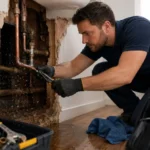
When the engineer arrives, they’ll first inspect your boiler and controls to locate the problem. Common issues include:
- Low or high pressure
- Frozen or blocked condensate pipe
- Pump failure or a seized fan
- Faulty thermostat or circuit board
- Ignition or gas valve faults
- Sensor or flame detection problems
Once they’ve diagnosed the issue, they’ll explain what needs to be done, how long it will take, and the cost. If parts need to be ordered, they’ll make sure the system is safe before leaving.
A professional engineer will always test the boiler after repair, check the gas rate and flue, and ensure everything is working safely before they leave.
7. When Repair Isn’t Enough
Most boilers can be repaired quickly, but sometimes replacement is a better long-term option.
You might need a new boiler if:
- Yours is over 10 years old and keeps breaking down.
- Repairs are becoming expensive, or parts are no longer available.
- The system is inefficient, and your energy bills are high.
- The engineer finds a serious fault, such as a cracked heat exchanger.
A new energy-efficient boiler can save you money in the long run and provide more reliable heating.
8. How to Prevent Future Breakdowns
Once your heating is back on, take steps to reduce the chances of another emergency.
Book an annual service
Have your boiler serviced every year by a Gas Safe engineer. They’ll clean components, check safety devices, and catch minor faults before they cause a breakdown.
Check pressure regularly
Glance at the pressure gauge every few weeks. If it drops too often, there might be a small leak that needs attention.
Bleed your radiators
If some radiators are cold at the top but hot at the bottom, air is trapped inside. Bleeding them improves efficiency and reduces strain on the boiler.
Keep pipes insulated
Lag external and loft pipes with foam insulation to prevent freezing.
Use your heating occasionally in summer
Running your boiler for ten minutes once a month during warmer weather keeps pumps and valves moving freely.
Install a carbon monoxide alarm
It’s a small investment that can save lives. Place one near the boiler and another close to any bedroom.
9. The Benefits of Having a Reliable Local Engineer
Finding a trusted local heating engineer makes life much easier when an emergency strikes. They can often reach you faster, understand the standard systems used in your area, and provide honest advice on whether repair or replacement makes sense.
Building a relationship with a local expert also means they’ll know your system’s history, which helps diagnose issues faster in the future.
10. When to Call for Help Immediately
There are a few situations where you should never delay calling an emergency engineer:
- You can smell gas or suspect a leak.
- You hear loud banging or clanging from the boiler.
- The pilot light keeps going out, or you see orange or yellow flames.
- Water is leaking from the boiler casing.
- The boiler switches itself off repeatedly.
- You feel unwell while the heating is on.
In these cases, switch the boiler off, ventilate the room and get professional help right away.
Final Thoughts
Having no heat is unpleasant, but with a calm approach and the proper steps, you can get things sorted quickly. Start by checking simple things like pressure, thermostat and power. Make safety your top priority, and never attempt gas repairs yourself.
Call a qualified, local Gas Safe engineer to diagnose and repair the issue. While you wait, keep yourself warm and protect your home from freezing temperatures. Once the repair is done, stay proactive with regular servicing and maintenance to keep your boiler running efficiently for years to come.
If your boiler is old or unreliable, consider a new, energy-efficient replacement that delivers reliable heat, lower energy bills, and peace of mind.