All over the UK, low water pressure is a common challenge. It can make even the simplest of tasks like showering and washing the dishes painfully slow. So slow you can even get the washing machine. In some cases you can even experience the absence of tap water, like literally zero, tap. Here is why knowing the answer to the ‘why?’ of low water pressure may reduce the amount of emotional distress you are dealing with. As well as some practical ways to check low water pressure, along with some ideas to implement before wishing you were in the 1700’s again using a well to get water with.
What is Low Water Pressure?
Water pressure is the force that pushes water through your pipes and out of your taps. It’s measured in bar or psi. In most UK homes, water pressure should be around 1.5–3 bar, which is enough to run multiple taps and appliances at the same time without issues.
Low water pressure occurs when the flow of water is weaker than usual. You may notice slow taps, weak showers, or appliances taking longer to fill. In some cases, you might experience no water at all, which can indicate a more serious problem.
Common Signs of Low Water Pressure
Some signs that your water pressure is low include:
- Weak flow from taps or showers
- Inconsistent water flow
- Hot water is low or uneven
- Appliances taking longer to fill (washing machines, dishwashers)
- Strange noises in pipes (whistling or banging)
If you notice these issues, it’s important to investigate the cause rather than ignoring it.
Why is My Water Pressure Low?
Several factors can cause low water pressure in a home. Here are the most common reasons:
1. Issues with the Water Supply
Sometimes the problem is not inside your home at all. If there is a main water supply issue in your area, you may notice sudden drops in pressure. This can happen due to:
- Maintenance work by your water company
- Burst pipes or leaks in the main supply
- High demand in your neighbourhood
You can check if this is the case by asking your local water supplier or checking their website for notices.
2. Leaks in Your Plumbing
A hidden leak in your house can reduce water pressure. Even a small leak in a pipe can divert water away from your taps, leaving less water flow for daily use. Signs of leaks include:
- Damp patches on walls or ceilings
- Unexpected increase in water bills
- Wet spots around radiators or under sinks
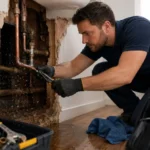
If you suspect a leak, it’s best to call a qualified plumber to find and fix it.
Tip: Some leaks aren’t obvious at first glance. If you want to learn how to spot hidden leaks before they cause serious problems, check out our guide on Signs You Have a Hidden Water Leak in Your Home
3. Clogged Pipes or Fixtures
Over time, limescale and mineral deposits can build up inside pipes, taps, and showerheads. This is common in areas with hard water. The build-up narrows the pipes and reduces water flow.
Check your:
- Showerheads
- Tap aerators
- Pipe valves
Cleaning these regularly can improve water pressure significantly.
4. Old or Faulty Plumbing
Houses that have been around for a while often have antiquated plumbing systems that have smaller pipes, or have pipes that have corrosion that can potentially block water flow. If your house still has galvanised iron pipes, corrosion that occurs in pipes can lead to serious pressure drops. In such cases, a professional may recommend a komplett pipe replacement.
5. Water Pressure Regulator Issues
To avoid bursting pipes caused by high pressure, some homes are equipped with water pressure regulators. If the system fails or is set too low, your water pressure will be less than normal. This problem can be fixed by replacement or adjustment of the regulator.
6. Problems with Hot Water Systems
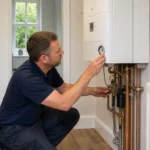
If only your hot water pressure is low, the issue may be with your boiler, hot water cylinder, or immersion heater. Sediment can build up in hot water tanks, or the system may need bleeding to remove trapped air.
How to Check Your Water Pressure
Before you try any fixes, it’s useful to measure your water pressure. You can do this with a simple pressure gauge, which attaches to an outdoor tap or your washing machine valve.
- Normal pressure: 1.5–3 bar
- Low pressure: below 1.5 bar
If your pressure is very low, it may be time to call a plumber, especially if it affects multiple taps and appliances.
How to Fix Low Water Pressure
Depending on the cause, there are several ways to improve water pressure in your home.
1. Clean Tap Aerators and Showerheads
Vinegar soaking will solve limescale buildup on taps and shower heads. Improved waterflow will be the benefit of this easy DIY fix.
2. Check for Leaks
Inspect your home for visible leaks. If you find damp patches or dripping pipes, call a plumber to repair them. Fixing leaks not only restores water pressure but also saves water and money.
3. Adjust the Water Pressure Regulator
If your home has a pressure regulator, check if it is set too low. You can carefully adjust it to increase pressure, but be cautious. Too high pressure can damage your plumbing.
4. Install a Boosting Pump
For houses with low pressure from the mains, a water pressure boosting pump can increase daily flow through the house. This is a common solution in older homes or properties that are further away from the supply line.
5. Replace Old Pipes
If your pipes are corroded or too narrow, replacing them with modern pipes (like copper or PEX) can improve water pressure and prevent future issues.
6. Maintain Your Hot Water System
For hot water pressure issues, check your cylinder or boiler. Bleed radiators, remove sediment from the tank, and ensure the system is balanced. A plumber can help with more complex maintenance.
7. Contact Your Water Supplier
Sometimes the problem is external. If your water pressure is low across multiple homes in your area, your local water company can advise if there are supply issues or planned works affecting pressure.
Preventing Low Water Pressure
Once you’ve restored water pressure, these tips can help prevent problems in the future:
- Regularly clean taps and showerheads
- Check for leaks every few months
- Monitor your water pressure using a gauge
- Service your boiler and hot water system annually
- Consider installing a pressure booster if your area is known for low mains pressure
When to Call a Plumber
While some fixes are DIY-friendly, certain issues require a professional:
- Leaks hidden behind walls or ceilings
- Corroded or outdated plumbing
- Faulty pressure regulators or boilers
- Water pressure issues affecting only hot water
A qualified plumber can quickly diagnose the problem and provide a safe, long-term solution.
Final Thoughts
Low water pressure in your home can be frustrating, but in most cases, the issue can be fixed with a little investigation and maintenance. Whether it’s cleaning tap aerators, adjusting your pressure regulator, or calling a plumber for more serious problems, taking action quickly will save time, water, and money.
Understanding the causes and solutions also helps you prevent future problems, ensuring your home always has a steady, reliable flow of water. Don’t ignore weak taps or slow showers—fixing low water pressure makes a big difference to your daily life.