Many homeowners underestimate the threat of carbon monoxide. It’s deadly and is physically undetectable. It can kill or injure you with no indication or warning. Due to its nature, it is also known as the “silent killer.”
CO’s implications can be complex, so we want to unpack it so you understand how it works, and how you can keep your family and house safe when you understand the protective methods. This guide is written to be as easy to understand as possible, to be comprehensible to literally everyone.
What Is Carbon Monoxide?
CO, or carbon monoxide, is a type of poison gas. It is generated when gas, oil, coal, and wood fuels are burned incompletely. Many common home appliances use these fuels. If something were to go awry, cookers and water heaters, along with gas fires and boilers, can all yield carbon monoxide.
When appliances are correctly installed and serviced, typically, they are safe. Issues arise when appliances are old, broken, blockaded, or serviced poorly. It is then that carbon monoxide leakages into your dwelling can start.
Why Carbon Monoxide Is So Dangerous
Oxygen is essential for life. Breathing in carbon monoxide is self-cannibalizing. It replaces oxygen in your bloodstream. Consequently, your brain and heart go unoxygenated. This can all happen very quickly and only a small, sniff of the gas can make you feel ill or worse.
This gas lack a warning. It isn’t like smoke, which is irritating. Often, people realize too late that there is even a problem.
How Carbon Monoxide Builds Up in a Home
Most incidents occur due to malfunctioning or ill-maintained gas units. A boiler that hasn’t seen a technician in half a decade is likely to have developed ninja defects. Incapacitated chimneys or gas flues obstruct the dispersal of toxic gas to the ambient. Also, the lack of ventilation entraps gases, more so in the winter when the closure of the gloves of the mouth lasts longer.
Another common cause is the training-deficit gas repair attempts. Gas installations are complicated and should be left to the experts. Even a slight miscalculation can erect a chain of lethal scenarios.
Symptoms You Should Never Ignore
Carbon monoxide poisoning often feels like the flu at first. People may experience headaches, dizziness, tiredness, nausea, or shortness of breath. Because these symptoms are common, many people ignore them.
If exposure continues, symptoms can become more serious. Confusion, chest pain, blurred vision, and even collapse can happen. If several people in the same house feel unwell at the same time, especially when heating is on, this is a strong warning sign.
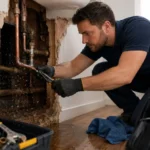
If you suspect a problem, open windows immediately, leave the property, and seek professional help. In urgent situations, contacting a trusted emergency engineer stoke on trent can ensure the issue is inspected safely and quickly.
Why Carbon Monoxide Alarms Are Essential
The only way to reliably detect carbon monoxide is to have an alarm. These work in a similar manner to smoke detectors. They will sound an alarm that will tell you to evacuate if the CO levels are too high.
These alarms should be placed close to the boiler and sleeping areas. They should be tested and have batteries replaced in a timely manner. The cost of an alarm is very low compared to the cost of a life.
The Importance of Regular Boiler Servicing
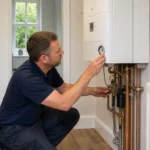
Many carbon monoxide incidents could be prevented with simple yearly maintenance. During a professional service, an engineer checks that your boiler is burning fuel correctly and safely. They inspect internal parts, test ventilation systems, and make sure gases are leaving the property as they should.
Regular servicing does more than protect your safety. It also improves efficiency, reduces energy bills, and extends the life of your heating system. Skipping annual checks may seem like a way to save money, but it increases risk over time.
Higher Risk During Winter
Problems related to carbon monoxide become more likely during the winter months. Heating systems are designed to work longer to retain more heat. Some systems operate in a way that gases can build up.
Have a heating system check, especially your unit’s gas burner, in the fall. Also, check and replace your units, as you may be in for some surprises. Taking action gives you an advantage during the emergency season.
Protecting Children and Vulnerable People
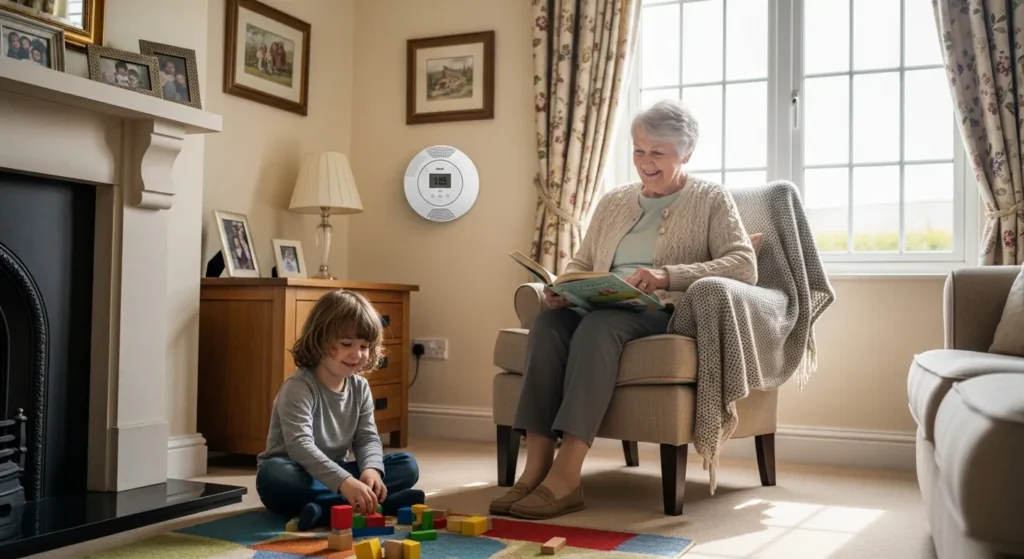
Children, elderly people, and pregnant women are more sensitive to carbon monoxide exposure. Children breathe faster, which means they can inhale more gas in a shorter time. Older adults may already have heart or breathing conditions that make exposure more dangerous.
For families, prevention should always be a priority. Simple safety steps can make a huge difference.
Common Misunderstandings
Some homeowners believe they would notice a gas leak because of smell. While natural gas has an added scent, carbon monoxide itself does not. Others assume new boilers are always safe. Even modern systems can develop faults if they are not serviced regularly.
Opening a window may help reduce gas levels, but it is not a complete solution. Proper maintenance and alarms are the only reliable protections.
Long-Term Effects of Exposure
Prolonged exposure to even small amounts of carbon monoxide can lead to significant medical concerns. Some people can begin suffering from chronic headaches, memory loss, and difficulty with focusing or concentrating. The elusive nature of the symptoms is why many cases go away unreported for many months.
Because of this, one should take all symptoms seriously, especially those of a more mild or understated nature, and seek medical attention if anything appears to be even the slightest bit abnormal.
The Role of Professional Inspection
Gas systems are not simple household appliances. They involve combustion, ventilation, pressure levels, and safety controls. A trained gas engineer understands how these systems work and how to identify hidden dangers.
Professional inspections provide peace of mind. They confirm that your heating system meets safety standards and operates correctly. More importantly, they protect the people living inside the home.
Final Thoughts
Invisible, silent, and dangerous is the nature of carbon monoxide, and whilst dangerous, it is also extremely preventable. Reducing risk is significantly easy. Not doing DIY gas work, booking servicing annually, and installing alarms are simple steps you can take to make everyone in your house that bit safer.
The comfort and safety of your family are the most important elements to having a home. Making carbon monoxide a safety priority is the best way of achieving this. It only takes a small effort to make your home a safer and more protected place. These minor changes can prevent a lot of issues and catastrophes in the upcoming time.